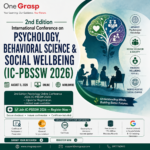
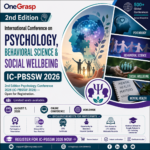
This conference delves into bounded ethicality, a concept rooted in behavioral science that explains how inherent psychological and organizational constraints limit individuals’ capacity to act ethically, despite their intentions or moral principles. Drawing on research from psychology, organizational behavior, and neurology, the event examines how systematic biases, social pressures, and cognitive limitations lead to moral disengagement and unethical decision-making in organizational contexts. It highlights both theoretical frameworks and practical interventions aimed at fostering ethical environments that recognize and address these limits.
Structure and Sessions (Who Does What):
Organizing Committee: Designs the agenda, invites academic and industry experts, and manages virtual platform logistics.
Keynote Speakers: Leading scholars and ethics practitioners present foundational theories and recent advances in understanding bounded ethicality.
Session Chairs: Moderate thematic discussions, Q&A, and participant engagement.
Presenters: Academics, organizational psychologists, and business leaders present empirical studies, case analyses, and intervention strategies.
Participants: Engage actively through panels, workshops, and discussions.
Technical Review Committee: Screen submissions and abstracts for academic quality and relevance.
Participate and Contribute (Who Does What):
Organizational Leaders and HR Practitioners: Implement frameworks for understanding systemic bias and fostering ethical culture.
Behavioral and Organizational Psychologists: Share insights on cognitive and social processes that impair ethical decision-making.
Policy Makers and Managers: Design policies to mitigate moral disengagement and systemic bias.
Researchers and Academics: Present innovative empirical research and theoretical models.
Students and Early Career Researchers: Contribute via presentations, papers, and discussions on future research directions.
Benefits:
Certificate of participation issued based on feedback submission.
Commemorative momento recognizing active participation.
Abstracts and papers published in reputable indexed journals including Scopus, CrossRef, WoS, Elsevier, and SCI-listed publications.
Abstract Topics / Call for Papers (CFP) Tracks:
Theoretical Foundations of Bounded Ethicality and Moral Disengagement
Psychological and Organizational Drivers of Ethical Blindness
Social Norms, Conformity, and Pressure Effects on Moral Behavior
Cognitive Limitations and Bounded Awareness in Ethical Decisions
Organizational Climate and Ethical Culture Development
Interventions to Overcome Systemic Bias and Promote Ethical Reasoning
The Role of Leadership and Morality in Mitigating Moral Disengagement
Neurocognitive Insights into Ethical Decision-Making Processes
Practical Case Studies of Ethical Failures and Reforms
Cross-Cultural Perspectives on Ethical Boundaries in Organizations
Registration:
Online registration for researchers, practitioners, and students.
Submission guidelines with deadlines for abstracts and papers.
Participants access all sessions, recordings, conference materials, certificates, and publication paths.
Detailed Program Grid (2 Half Days, 9 AM to 1 PM)
Time
Day 1
Day 2
09:00 – 09:15
Opening Ceremony & Welcome Address
Recap & Keynote Address
09:15 – 10:00
Keynote Session I: Foundations of Bounded Ethicality and Moral Disengagement
Keynote Session III: Organizational Interventions and Policy Solutions
10:00 – 10:45
Technical Session I: Psychological and Organizational Factors in Moral Disengagement
Technical Session III: Neurocognitive Insights into Ethical Decision-Making
10:45 – 11:00
Q&A and Networking Break
Q&A and Networking Break
11:00 – 11:45
Technical Session II: Case Studies of Ethical Failures and Reforms
Panel Discussion: Building Ethical Resilience in Organizations
11:45 – 12:30
Research & Abstract Presentations
Technical Session IV: Future Trends and Ethical AI in Organizations
12:30 – 13:00
Participant Feedback & Closing Discussions
Closing Ceremony & Certificate Distribution
This conference offers critical insights into the systemic cognitive and organizational limits that foster unethical behavior, providing avenues for institutional change, research publication, and professional certification.