
 October 3, 2025
  4 Min
4 Min  No Comment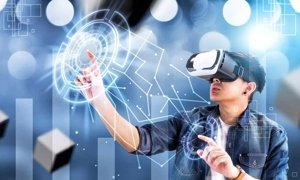
Imagine walking into a classroom where your teacher is a hologram, your classmates are scattered across the world, and your science experiments happen in a 3D virtual lab. This is not science fiction anymore—it’s the future of Metaverse Learning by 2030. Here’s how virtual classrooms will completely transform education for students in India and beyond
What is Metaverse Learning?
The Metaverse is a shared digital world where students and teachers interact using avatars, VR headsets, and immersive tools. Unlike traditional e-learning, it makes you feel present in a classroom, creating a deeper learning experience.
Metaverse learning combines virtual reality, AI, and immersive environments to create digital classrooms where students and teachers interact as avatars, making education more engaging, personalized, and globally accessible.
Key Benefits of Virtual Classrooms by 2030
Here are the key benefits of virtual classrooms by 2030 in p
- Flexibility: Students can learn anytime and anywhere, managing their study schedules more effectively.
- Increased Accessibility/Inclusivity: Eliminates physical and geographical barriers, enabling education for all including those with disabilities.
- Cost Effectiveness: Reduces expenses related to transportation, accommodation, and physical study materials.
- Time Saving: Virtual learning is more time-efficient, reducing overall learning time significantly.
- High Collaboration: Interactive tools foster teamwork, communication, and project-based learning among students.
- Personalized Learning: Real-time feedback and data insights allow tailored instruction suited to individual learning needs.
- Sharpening Digital Skills: Continuous use of digital tools prepares students for the future workforce.
- Access to Global Resources: Students access diverse materials and experts worldwide beyond traditional textbooks.
- Eco-Friendly: Reduces carbon footprint by eliminating commuting, physical classrooms, and paper usage.
- Improved Data Integration and Analytics: Enables tracking of attendance, progress, and performance for better outcomes.
- Enhanced Engagement: Interactive features such as polls, quizzes, gamification improve student participation.
- Scalability for Institutions: Supports education of more students without the limitations of physical space.
- Immediate Feedback: Automated testing provides instant results, accelerating learning improvement.
- Global Reach: Connects students and teachers across countries, broadening perspectives and collaboration opportunities.
- Safe Learning Environment: Continues education uninterrupted during emergencies like pandemics or natural disasters.
These benefits collectively make virtual classrooms a transformative educational model by 2030.
Here are detailed future career opportunities connected with met averse learning by 2030, focusing on the roles you mentioned:
- EdTech Developer: Designs immersive VR/AR learning apps, combining 3D modeling, coding, and user experience to make digital classrooms globally accessible.
- VR/AR Content Creator: Builds 3D virtual classrooms and labs for realistic, hands-on learning using creative and technical skills with tools like Unity or Unreal Engine.
- Digital Campus Manager: Runs virtual universities, handling student services, events, security, and tech operations in the metaverse
These emerging careers exemplify how the metaverse will reshape education, creating new opportunities that merge technology with learning to provide more accessible, engaging, and personalized educational experiences by 2030
Challenges & Considerations
- Access Gaps: Many students in rural areas still can’t get VR devices or reliable internet, widening the digital divide.
- Affordability: The cost of VR hardware can be too high for many families.
- Data Security: Protecting student information in the metaverse is crucial.
- Teacher Readiness: Educators need new training to teach with immersive technology.
Preparing for the Metaverse Classroom Today
- Start exploring VR learning platforms like Coursera VR & Meta Education.
- Develop soft skills + digital literacy alongside academics.
- Choose courses in AI, VR, and immersive design
- Stay updated with government initiatives like Digital India and NEP 2020 reforms.
By 2030, Metaverse Learning will not just be an alternative—it will be the new standard in education. From affordable global classrooms to personalized AI tutors, the future is set to empower millions of students in India. 🌍
🚀 Now is the time to prepare—because your classroom of tomorrow may not have walls !