June 10, 2026
 9 Min
 No Comment
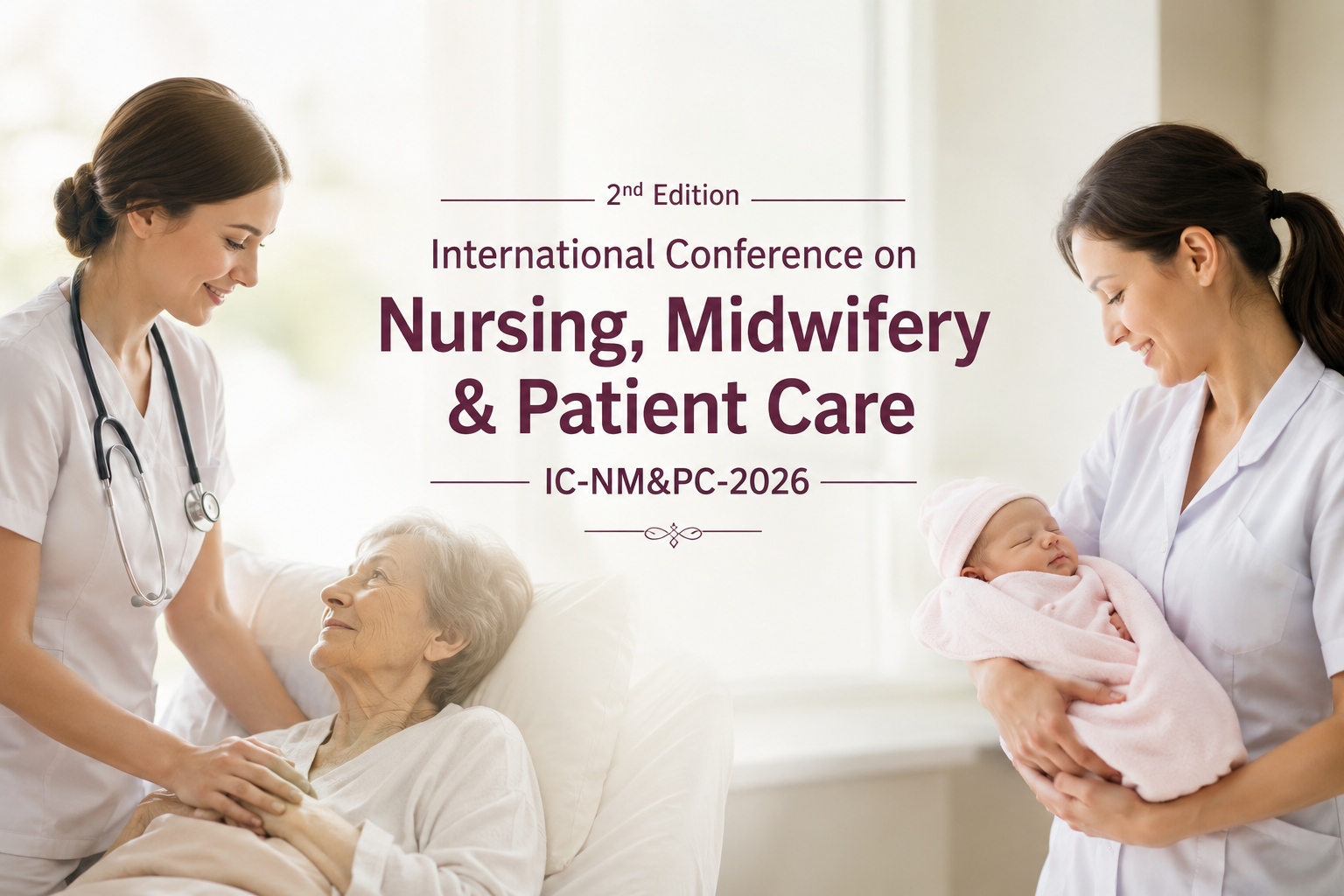
Healthcare systems worldwide are undergoing unprecedented transformation. From digital health technologies and telemedicine to workforce challenges and patient safety initiatives, nursing and midwifery professionals are increasingly positioned at the center of healthcare innovation. The IC NMPC 2026 Conference arrives at a critical time when evidence-based practice, patient-centered care, and interdisciplinary collaboration have become essential to improving health outcomes globally.
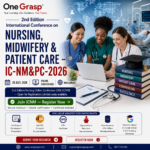
The 2nd Edition International Conference on Nursing, Midwifery & Patient Care (IC-NM&PC-2026) brings together nurses, midwives, healthcare practitioners, educators, researchers, policymakers, and students to discuss emerging trends, research findings, and best practices in modern healthcare delivery. The conference focuses on advancing nursing science, improving patient outcomes, strengthening healthcare systems, and fostering professional development.
Participants interested in presenting research or attending sessions can register here:
What the Conference Is About
Featured Snippet Answer
The International Conference on Nursing, Midwifery & Patient Care (IC-NM&PC-2026) is an international academic and professional forum dedicated to nursing innovation, midwifery practice, patient-centered care, healthcare education, and clinical research.
The conference serves as a platform for sharing evidence-based practices and discussing innovations that improve patient safety, healthcare quality, maternal and neonatal health, and healthcare workforce development. Topics range from digital nursing technologies and telemedicine to leadership, healthcare policy, and community-based care models.
As healthcare becomes increasingly complex, conferences such as IC-NM&PC-2026 play a vital role in promoting knowledge exchange and interdisciplinary collaboration.
Why Nursing and Midwifery Matter More Than Ever
Featured Snippet Answer
Nurses and midwives are essential healthcare professionals responsible for patient advocacy, preventive care, treatment coordination, and health promotion across healthcare systems.
According to the World Health Organization and global healthcare workforce studies, nurses represent the largest segment of healthcare professionals worldwide. Their contributions significantly influence patient outcomes, healthcare accessibility, and overall system effectiveness.
Healthcare challenges including aging populations, chronic diseases, mental health concerns, and healthcare workforce shortages have increased demand for highly skilled nursing professionals.
Consequently, ongoing professional education and research collaboration remain critical for ensuring quality healthcare delivery and sustainable health systems.
IC NMPC 2026 Conference Themes and Research Areas
Featured Snippet Answer
IC NMPC 2026 explores nursing practice, midwifery innovation, patient safety, digital health, healthcare leadership, and evidence-based care delivery.
Key conference themes include:
- Maternal, neonatal, and women’s health
- Patient safety and quality improvement
- Digital health and telemedicine
- Integrated healthcare delivery
- Nursing education and simulation training
- Leadership and professional development
- Community and rural healthcare
- Mental health nursing
- Palliative and supportive care
- Healthcare policy and workforce planning
- Infection prevention and control
- Midwifery research and innovation
These themes reflect the evolving responsibilities of healthcare professionals in modern clinical environments.
IC NMPC 2026 Conference and Patient Safety Excellence
Featured Snippet Answer
Patient safety focuses on preventing avoidable harm while improving healthcare quality, efficiency, and patient outcomes.
Patient safety remains one of the most important priorities in global healthcare. Research consistently shows that healthcare organizations implementing evidence-based safety practices achieve better clinical outcomes and patient satisfaction.
Key patient safety initiatives include:
- Medication safety
- Infection prevention
- Clinical risk management
- Communication improvement
- Quality assurance programs
- Healthcare technology integration
The conference provides an important platform for discussing strategies that strengthen safety cultures across healthcare settings.
Digital Transformation in Nursing and Healthcare
Featured Snippet Answer
Digital health technologies are transforming nursing practice through telemedicine, electronic health records, artificial intelligence, and remote patient monitoring.
Healthcare digitalization has accelerated significantly over recent years. Nurses increasingly use technology to support clinical decision-making, improve care coordination, and enhance patient engagement.
Emerging technologies include:
- Telehealth platforms
- AI-assisted diagnostics
- Clinical decision support systems
- Remote monitoring devices
- Mobile healthcare applications
- Digital patient records
Research suggests that successful digital transformation depends not only on technology adoption but also on workforce training, governance, and patient trust.
Therefore, healthcare professionals must continuously update their digital competencies to meet evolving healthcare demands.
Maternal and Neonatal Health: A Global Priority
Featured Snippet Answer
Maternal and neonatal health remains a critical focus area because healthy pregnancies and births contribute directly to long-term public health outcomes.
Midwives play an essential role in improving maternal and newborn outcomes through preventive care, education, risk assessment, and clinical intervention.
Conference discussions are expected to address:
- Prenatal care innovation
- Maternal health equity
- Neonatal care improvements
- Family-centered care
- Women’s health research
- Community healthcare delivery
Advancements in these areas can significantly improve healthcare accessibility and patient outcomes worldwide.
Opportunities for Nurses, Researchers, Students and Healthcare Leaders
Featured Snippet Answer
IC-NM&PC-2026 provides professional development, networking opportunities, research exposure, and interdisciplinary collaboration.
For nursing professionals, participation offers opportunities to:
- Learn emerging clinical practices
- Strengthen leadership capabilities
- Exchange professional experiences
- Explore evidence-based interventions
Researchers benefit through:
- Presenting findings
- Receiving peer feedback
- Building collaborations
- Identifying future research directions
Students and early-career professionals gain exposure to current healthcare challenges and opportunities while building valuable professional networks.
Comparison Table: Traditional Care Models vs Patient-Centered Care
| Traditional Care Models | Patient-Centered Care |
|---|---|
| Provider-focused | Patient-focused |
| Limited collaboration | Interdisciplinary teamwork |
| Reactive treatment | Preventive care |
| Standardized approaches | Personalized care |
| Limited patient involvement | Shared decision-making |
Beginner vs Expert Nursing Perspective
| Beginners | Experts |
|---|---|
| Focus on procedures | Focus on outcomes |
| Task-oriented care | Systems thinking |
| Limited clinical experience | Evidence-based decision making |
| Individual patient focus | Population health perspective |
| Learning protocols | Leading innovation |
Pros and Cons of Conference Participation
| Pros | Cons |
|---|---|
| Professional networking | Time commitment |
| Research exposure | Preparation requirements |
| Knowledge sharing | Registration costs |
| Career advancement | Competitive presentations |
| Skill development | Travel considerations |
Expert Insight: The Future of Nursing and Healthcare Delivery
Healthcare systems are entering an era defined by complexity, technology integration, and patient-centered innovation.
The future of nursing will increasingly involve advanced practice roles, digital healthcare competencies, leadership responsibilities, and interdisciplinary collaboration. Healthcare professionals must adapt to changing patient expectations while maintaining compassion and clinical excellence.
Policy challenges remain significant. Workforce shortages, healthcare accessibility, digital equity, and aging populations require innovative solutions supported by evidence-based research.
Meanwhile, opportunities are expanding in telehealth, preventive care, population health management, and healthcare analytics. Conferences such as IC-NM&PC-2026 provide valuable forums for exploring these developments and shaping future healthcare practices.
Latest Trends & Updates
Artificial intelligence is increasingly being integrated into healthcare workflows. AI-supported decision tools, predictive analytics, and clinical documentation systems are helping healthcare professionals improve efficiency while maintaining care quality.
Digital public health infrastructure continues expanding worldwide. Electronic health records, interoperable healthcare systems, and digital patient engagement platforms are enabling more coordinated and accessible healthcare delivery.
Remote patient monitoring technologies are becoming increasingly important for chronic disease management. These solutions allow healthcare providers to track patient health indicators while reducing unnecessary hospital visits.
Responsible healthcare innovation remains a major priority. Healthcare organizations are focusing on ethical AI implementation, patient privacy protection, cybersecurity resilience, and equitable access to digital health services.
Mental health integration has emerged as a key healthcare trend. Nurses and healthcare professionals increasingly play important roles in early intervention, psychosocial support, and community-based mental health services.
Research directions are expanding toward personalized medicine, integrated care models, digital therapeutics, maternal health innovation, workforce resilience, and healthcare sustainability. These areas are expected to influence healthcare policy and clinical practice throughout the coming decade.
Real-Life Example: Improving Rural Maternal Healthcare
Consider a realistic example involving a nursing researcher named Sarah.
Sarah worked with a university healthcare team studying maternal healthcare access in rural communities. Despite available healthcare services, many expectant mothers faced transportation barriers and limited specialist access.
After attending a nursing and patient care conference, Sarah learned about telehealth-enabled maternal monitoring programs and interdisciplinary care models.
Collaborating with healthcare professionals she met during the conference, Sarah helped design a pilot program connecting rural patients with midwives and specialists through digital consultations.
Within a year, patient engagement improved significantly, prenatal monitoring increased, and healthcare providers reported better continuity of care.
This example illustrates how conference participation can inspire practical solutions that improve healthcare delivery and patient outcomes.
Common Mistakes to Avoid
Submitting Weak Abstracts
Clearly define your objectives, methodology, and expected contributions.
Ignoring Evidence-Based Practice
Support recommendations with reliable clinical evidence and current research.
Focusing Only on Clinical Skills
Healthcare leadership, communication, and policy knowledge are equally important.
Overlooking Patient Perspectives
Patient-centered care requires understanding experiences, preferences, and outcomes.
Poor Networking Preparation
Research speakers and participants beforehand to maximize collaboration opportunities.
What To Do Next
To maximize your IC-NM&PC-2026 experience:
- Review conference themes carefully.
- Select a relevant research topic.
- Conduct a literature review.
- Prepare a strong abstract.
- Register before deadlines.
- Develop presentation materials early.
- Participate in networking opportunities.
- Follow current healthcare research trends.
- Connect with healthcare professionals globally.
- Apply new insights in clinical practice.
Quick Checklist
✔ Identify your research topic
✔ Draft an abstract
✔ Verify submission guidelines
✔ Complete registration
✔ Prepare presentation materials
✔ Review conference themes
✔ Network with healthcare experts
✔ Follow emerging healthcare trends
Conclusion
The IC NMPC 2026 Conference represents an important opportunity for nursing professionals, midwives, researchers, educators, and healthcare leaders to engage with emerging healthcare challenges and innovations. Through discussions on patient safety, maternal health, digital healthcare transformation, leadership development, and evidence-based practice, the conference promotes knowledge exchange that can directly improve patient outcomes.
As healthcare systems continue evolving, professional collaboration and lifelong learning become increasingly important. IC-NM&PC-2026 offers a valuable platform for advancing clinical expertise, strengthening professional networks, and contributing to the future of patient-centered healthcare.
Whether you are an experienced healthcare professional, an emerging researcher, or a student entering the field, participation can provide meaningful insights and opportunities that extend far beyond the conference itself.
Register here:
Frequently Asked Questions
Nurses, midwives, healthcare practitioners, researchers, educators, students, and healthcare policymakers.
Yes. Students are encouraged to attend, present research, and engage with healthcare professionals.
No. Participants may attend as listeners or presenters depending on conference options.
The conference provides participation and presentation-related certificates according to organizer guidelines.
It enhances professional knowledge, expands networks, increases research visibility, and supports career development.