In a rapidly changing world shaped by technology, globalization, and social transformation, arts education remains one of the most powerful tools for fostering creativity, critical thinking, cultural understanding, and lifelong learning. Beyond developing artistic skills, arts education encourages innovation, strengthens communities, and promotes inclusive participation in cultural life.
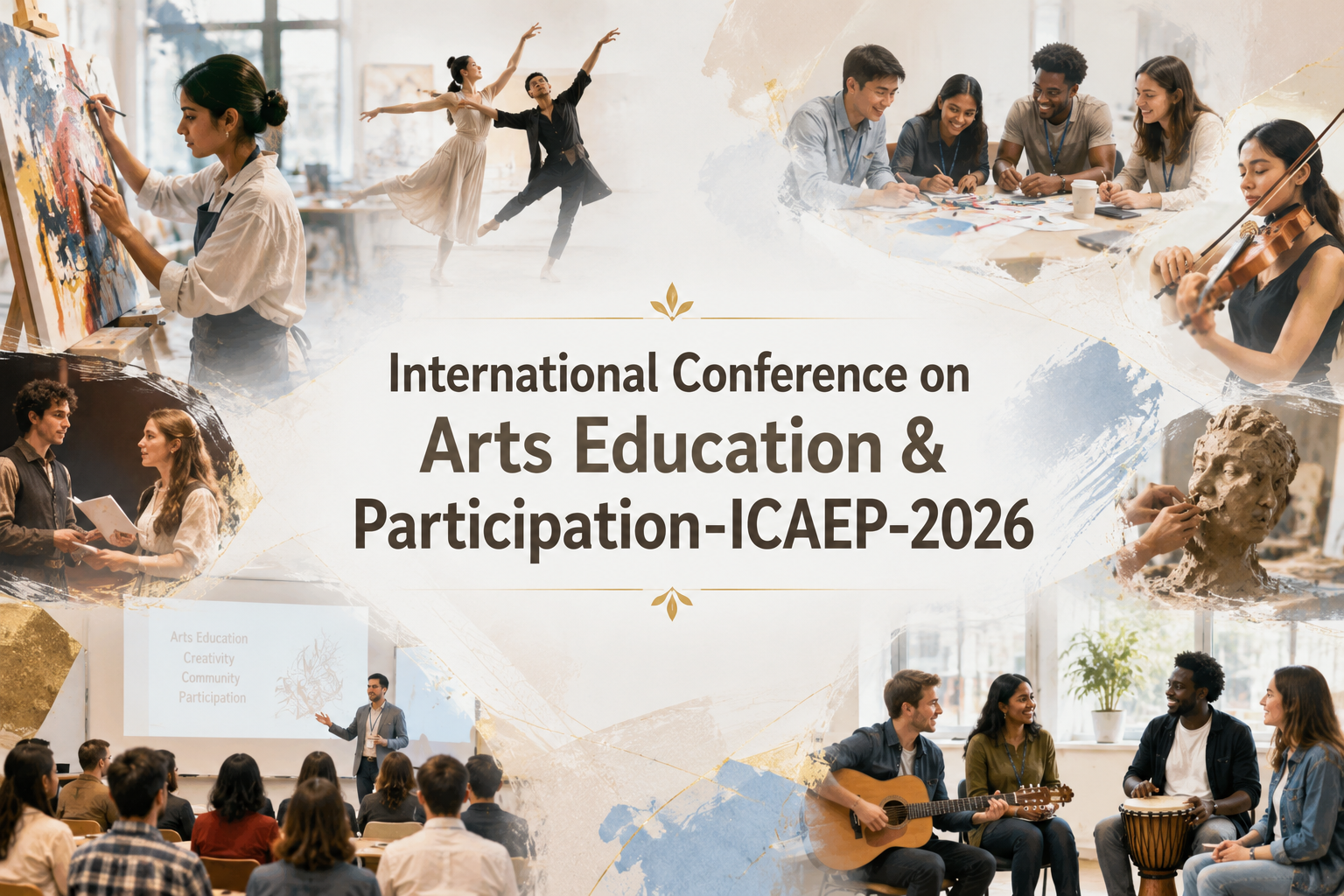
The Arts Education Participation Conference, officially known as the International Conference on Arts Education & Participation (ICAEP-2026), brings together educators, researchers, artists, policymakers, cultural practitioners, students, and community leaders to explore the evolving role of arts education in contemporary society.
As schools, universities, cultural institutions, and communities seek new ways to engage learners and expand access to creative experiences, ICAEP-2026 provides an important platform for discussing innovative teaching practices, participation models, cultural policy, and emerging research in arts education.
The International Conference on Arts Education & Participation (ICAEP-2026) focuses on arts learning, creative pedagogy, cultural participation, arts policy, community engagement, and innovative approaches to arts education across formal and informal settings.
The conference serves as an interdisciplinary forum where experts examine how arts education can support personal development, social inclusion, cultural preservation, and creative innovation.
Participants explore emerging research, practical teaching strategies, digital arts learning, community-based arts initiatives, and policies that enhance participation in arts and cultural activities.
As creative industries continue to grow globally, the conference highlights the importance of integrating arts education into broader educational and societal development goals.
Why Arts Education Participation Conference Research Matters Today
Featured Snippet Answer
Arts education promotes creativity, communication, cultural awareness, critical thinking, emotional development, and active participation in society.
Research consistently demonstrates that engagement with the arts contributes to academic achievement, problem-solving abilities, and personal well-being.
According to UNESCO Arts and Culture Resources, arts education plays a significant role in fostering inclusive and equitable quality education while supporting cultural diversity and creative expression.
In addition, arts participation helps individuals develop transferable skills valued across multiple industries, including collaboration, innovation, adaptability, and communication.
As a result, arts education is increasingly recognized as a vital component of modern education systems worldwide.
Arts Education Participation Conference Research Themes
Featured Snippet Answer
ICAEP-2026 explores arts pedagogy, cultural participation, creative learning, digital arts education, arts policy, community engagement, and interdisciplinary arts research.
Key conference themes include:
Arts Education and Pedagogy
Creative Learning Strategies
Arts Participation and Engagement
Community Arts Programs
Cultural Education
Digital Arts and Technology
Arts Curriculum Development
Arts and Social Inclusion
Museum and Gallery Education
Arts Policy and Governance
Arts-Based Research
Creative Youth Development
Cultural Heritage Education
Interdisciplinary Arts Practices
These themes reflect the expanding role of arts education in supporting both individual growth and societal development.
The Importance of Arts Education in the 21st Century
Featured Snippet Answer
Arts education helps learners develop creativity, innovation, emotional intelligence, and critical thinking skills needed for the modern world.
Employers increasingly value creative problem-solving and adaptable thinking.
According to the World Economic Forum, creativity remains one of the most important future workforce skills alongside analytical thinking and innovation.
Arts education contributes by encouraging:
Creative expression
Independent thinking
Collaboration
Communication skills
Cultural understanding
Emotional resilience
These competencies are increasingly important in both professional and personal contexts.
Consequently, educational institutions are exploring new ways to integrate arts learning across disciplines.
Cultural Participation and Community Engagement
Featured Snippet Answer
Cultural participation strengthens social connections, supports community development, and promotes inclusive access to creative experiences.
Arts participation extends beyond classrooms and performance venues.
Community arts programs, cultural festivals, museums, galleries, and public arts initiatives provide opportunities for people of all ages and backgrounds to engage with creative practices.
Benefits include:
Cultural Participation Benefits
Impact
Community Engagement
Stronger social connections
Creative Expression
Personal development
Cultural Preservation
Heritage protection
Social Inclusion
Greater accessibility
Lifelong Learning
Continuous skill development
These activities help build vibrant communities while supporting cultural diversity and social cohesion.
Digital Transformation in Arts Education
Featured Snippet Answer
Digital technologies are expanding access to arts education through online learning, virtual exhibitions, digital storytelling, and creative technology platforms.
The digital transformation of education has significantly influenced arts learning.
Emerging technologies include:
Virtual reality experiences
Digital art creation tools
Online creative workshops
Interactive learning platforms
Artificial intelligence in creative practice
Digital cultural archives
According to OECD Education Research, technology-enhanced learning can improve accessibility and support innovative educational approaches when implemented effectively.
As a result, educators are increasingly combining traditional artistic practices with digital innovation.
Career Benefits of Participating in ICAEP-2026
Featured Snippet Answer
Participation in ICAEP-2026 helps educators, researchers, artists, and students expand knowledge, build networks, and discover emerging opportunities in arts education.
Conference attendees can benefit through:
International networking
Research dissemination
Publication opportunities
Professional development
Collaborative partnerships
Exposure to innovative teaching practices
Career advancement opportunities
For students and early-career professionals, the conference provides valuable exposure to current research trends and potential career pathways within education, culture, and the creative industries.
Expert Insight: The Future of Arts Education and Participation
Arts education is entering a period of significant transformation driven by technological innovation, changing learner expectations, and growing recognition of creativity’s role in economic and social development.
Several trends are expected to shape the future:
Hybrid arts learning environments
Inclusive arts participation models
Creative technology integration
Community-based arts initiatives
Interdisciplinary education approaches
Cultural sustainability programs
Global creative collaboration networks
Educational leaders increasingly recognize that creativity and cultural literacy will remain essential competencies in an evolving digital society.
Conferences such as ICAEP-2026 help shape the conversations and research that influence future educational policies and practices.
Latest Trends & Updates
Artificial intelligence is beginning to influence arts education in new ways. Educators are exploring how AI-powered creative tools can support artistic experimentation while encouraging critical discussions about originality, ethics, and creativity.
Digital public cultural platforms are expanding access to artistic experiences. Museums, galleries, libraries, and cultural institutions increasingly offer virtual exhibitions, interactive archives, and online learning opportunities that reach global audiences.
Inclusive arts education has become a major focus worldwide. Researchers and practitioners are developing strategies that improve accessibility for learners from diverse cultural, linguistic, socioeconomic, and ability backgrounds.
Creative well-being initiatives are gaining momentum. Arts-based programs are increasingly used to support mental health, social connection, emotional resilience, and community recovery following periods of disruption or crisis.
Global cultural policy discussions continue emphasizing the importance of creative skills, cultural participation, and arts education as drivers of sustainable development, innovation, and social cohesion.
Real-Life Example: Community Arts Learning Initiative
A university partnered with local cultural organizations to improve arts participation among young people in underserved communities.
Initially, participation rates were low, and many students had limited access to creative learning opportunities. After educators attended an arts education conference, they implemented new community-based teaching approaches, digital arts workshops, and collaborative creative projects.
The initiative resulted in increased participation, stronger community engagement, and improved student confidence.
Several participants later pursued higher education in creative disciplines, demonstrating how arts education can create meaningful educational and professional pathways.
This example illustrates the practical impact of research-informed arts participation strategies.
Traditional Education vs Arts-Integrated Education
Traditional Education
Arts-Integrated Education
Subject-focused learning
Creative interdisciplinary learning
Standardized instruction
Experiential engagement
Limited creative expression
Active artistic participation
Individual assessment focus
Collaborative learning emphasis
Knowledge acquisition
Creativity and innovation development
Beginners vs Experts
Beginners
Experts
Learn arts education fundamentals
Design transformative learning experiences
Focus on teaching methods
Shape educational policy and practice
Study participation models
Lead cultural engagement initiatives
Understand creative processes
Develop innovative frameworks
Explore research concepts
Drive interdisciplinary collaboration
Pros and Cons of Conference Participation
Pros
Cons
International networking
Time commitment
Research exposure
Competitive presentations
Publication opportunities
Registration costs
Professional growth
Preparation requirements
Collaboration opportunities
Intensive schedules
Access to emerging trends
Learning curve for newcomers
Common Mistakes to Avoid
Submitting Weak Abstracts
Clearly articulate objectives, methodology, findings, and educational significance.
Ignoring Community Perspectives
Arts participation research should consider diverse cultural and community contexts.
Focusing Only on Theory
Practical applications strengthen educational relevance and impact.
Overlooking Interdisciplinary Approaches
Arts education often benefits from connections with technology, psychology, sociology, and public policy.
Poor Networking Preparation
Identify key researchers, organizations, and potential collaborators before attending.
What To Do Next
To maximize conference participation:
Review conference themes carefully.
Identify relevant research topics.
Conduct a comprehensive literature review.
Prepare a strong abstract submission.
Register before deadlines.
Attend keynote presentations.
Participate in networking sessions.
Follow emerging arts education trends.
Quick Checklist
✔ Select a research topic
✔ Prepare an abstract
✔ Review submission requirements
✔ Register early
✔ Prepare presentation materials
✔ Research keynote speakers
✔ Build networking goals
✔ Follow arts education developments
Conclusion
The International Conference on Arts Education & Participation (ICAEP-2026) highlights the growing importance of creativity, cultural engagement, and inclusive learning in modern society. As educators, researchers, and cultural organizations seek innovative ways to expand participation and strengthen arts education, the conference provides a valuable platform for knowledge exchange and collaboration.
By bringing together diverse perspectives from education, culture, research, and community practice, ICAEP-2026 contributes to the development of more accessible, creative, and impactful learning environments. Whether you are an educator, artist, researcher, student, or policymaker, the conference offers meaningful opportunities to explore new ideas, build connections, and help shape the future of arts education and participation.
FAQ
Educators, researchers, artists, cultural practitioners, students, policymakers, museum professionals, and community arts leaders.
Yes. Undergraduate, postgraduate, and doctoral students interested in arts education and cultural participation are encouraged to participate.
Arts education, creative learning, cultural participation, arts policy, digital arts, community engagement, and related interdisciplinary research.
Accepted submissions may be considered for conference proceedings according to conference guidelines and review policies.
Participation enhances professional visibility, networking opportunities, research dissemination, and career development within education and cultural sectors.

 June 9, 2026
 8 Min
 No Comment