June 10, 2026
 10 Min
 No Comment
In an era where education, innovation, and entrepreneurship increasingly shape economic growth and social progress, the ICEEBYE 2027 Conference Education initiative arrives at a particularly important moment. As institutions, policymakers, startups, and researchers seek solutions to global challenges, platforms that foster interdisciplinary collaboration have become more valuable than ever.
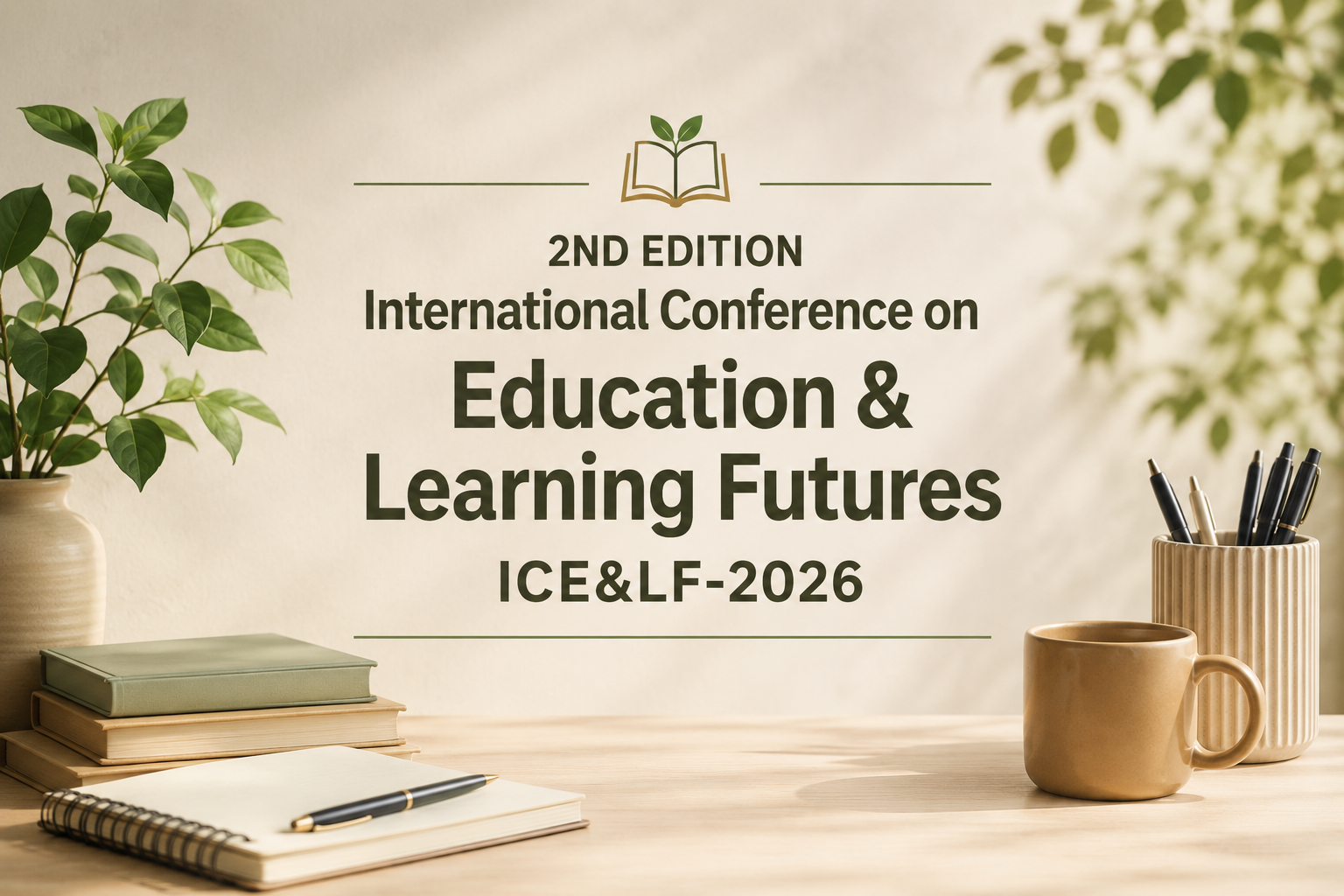
The 2nd Edition International Conference on Education, Early Business & Young Entrepreneurship (ICEEBYE-2027) aims to bring together academics, researchers, industry experts, educators, entrepreneurs, and students to explore emerging ideas and practical strategies that drive innovation and sustainable development.
More than just another academic gathering, ICEEBYE 2027 represents an opportunity to examine how education systems, entrepreneurial thinking, and business innovation can work together to create meaningful societal impact. Participants can exchange knowledge, present research, build partnerships, and gain insights into the future of learning and entrepreneurship.
Interested participants can register here: https://onegrasp.com/events/education/2nd-edition-international-conference-on-education-early-business-young-entrepreneurship-iceebye-2027/
What the Conference Is About
Featured Snippet Answer
The International Conference on Education, Early Business & Young Entrepreneurship (ICEEBYE-2027) is a global academic and professional event focused on education innovation, entrepreneurial development, research collaboration, and sustainable business practices.
The conference creates a collaborative environment where diverse stakeholders can discuss educational transformation, entrepreneurial ecosystems, startup development, policy innovation, and future workforce readiness.
As economies continue evolving toward knowledge-based models, conferences such as ICEEBYE 2027 play a crucial role in helping institutions and individuals adapt to rapidly changing professional landscapes.
Moreover, interdisciplinary dialogue encourages the development of innovative solutions that address societal, economic, and environmental challenges simultaneously.
Why ICEEBYE 2027 Conference Education Matters Today
Featured Snippet Answer
ICEEBYE 2027 Conference Education matters because it connects educational advancement with entrepreneurship, innovation, and sustainable development in an increasingly digital world.
According to UNESCO, millions of learners worldwide still face barriers to quality education, while employers increasingly demand entrepreneurial and digital competencies. Simultaneously, organizations must prepare for emerging technologies, automation, and changing workforce expectations.
Research published by organizations such as the OECD and the World Economic Forum consistently highlights the growing importance of adaptability, creativity, critical thinking, and innovation-oriented education.
Useful resources include:
By addressing these themes, ICEEBYE 2027 contributes to broader conversations about educational excellence and economic resilience.
ICEEBYE 2027 Conference Education Themes and Research Areas
Featured Snippet Answer
The conference explores education innovation, entrepreneurship, business development, leadership, sustainability, technology integration, and interdisciplinary research.
Key research themes typically include:
- Educational innovation and learning technologies
- Entrepreneurship education
- Startup ecosystems
- Leadership development
- Digital transformation
- Business strategy
- Innovation management
- Sustainability and social impact
- Policy development
- Workforce readiness
Researchers can present empirical studies, theoretical frameworks, policy analyses, and practical case studies.
Furthermore, interdisciplinary research is increasingly encouraged because many contemporary challenges cannot be solved through a single academic discipline.
Technology, Entrepreneurship, and Sustainable Development
Featured Snippet Answer
Education and entrepreneurship contribute directly to sustainable development by creating knowledge, jobs, innovation, and long-term societal value.
The United Nations Sustainable Development Goals emphasize quality education, decent work, economic growth, and innovation as interconnected priorities.
Learn more at:
Educational institutions now play a larger role in fostering entrepreneurial mindsets. Students are increasingly encouraged to identify social problems, develop innovative solutions, and launch ventures that generate positive impact.
Meanwhile, sustainable entrepreneurship has emerged as a powerful force for addressing climate change, resource efficiency, and inclusive economic growth.
A recent McKinsey analysis suggests that organizations integrating sustainability into strategic decision-making often experience stronger long-term performance and stakeholder trust.
Consequently, discussions at ICEEBYE 2027 are likely to provide valuable insights into the future relationship between education, business, and sustainability.
Emerging Trends in Digital Transformation and Innovation
Featured Snippet Answer
Digital transformation is reshaping education, entrepreneurship, research collaboration, and business operations across the globe.
Several major trends are influencing conference discussions:
- Artificial intelligence in education
- Personalized learning systems
- Digital entrepreneurship
- Hybrid learning models
- Data-driven decision making
- Innovation ecosystems
- Smart campus initiatives
- Remote collaboration technologies
Statista reports that global digital transformation investments continue to grow significantly as organizations prioritize modernization and innovation.
Harvard Business Review has also emphasized that successful transformation depends not only on technology adoption but also on leadership, culture, and human-centered implementation.
Therefore, participants can expect valuable discussions about balancing technological innovation with human needs and ethical considerations.
Ethical Innovation and Governance
Featured Snippet Answer
Ethical innovation ensures that technological and entrepreneurial progress benefits society while minimizing risks and unintended consequences.
As AI systems become more influential in education and business, governance frameworks are receiving greater attention.
Important considerations include:
- Data privacy
- Algorithmic transparency
- Responsible AI
- Digital inclusion
- Equity in education
- Cybersecurity
- Public trust
Organizations worldwide increasingly recognize that innovation without governance can create significant social and regulatory challenges.
Consequently, researchers and practitioners attending ICEEBYE 2027 may gain deeper insights into creating responsible innovation strategies that align with public interests.
Opportunities for Researchers, Students, and Entrepreneurs
Featured Snippet Answer
ICEEBYE 2027 offers networking, publication opportunities, research exposure, professional development, and collaboration possibilities.
For researchers, conferences provide valuable opportunities to:
- Present findings
- Receive expert feedback
- Build academic partnerships
- Explore publication opportunities
- Identify future research directions
Students benefit through:
- Exposure to current research
- Mentorship opportunities
- Career guidance
- Networking with experts
- Enhanced academic confidence
Entrepreneurs gain access to:
- Research-driven insights
- Potential collaborators
- Emerging market trends
- Innovation strategies
- Investment and partnership opportunities
These benefits often extend far beyond the conference itself.
Career Benefits of Participating
Featured Snippet Answer
Conference participation strengthens professional visibility, expands networks, and enhances career development.
Employers increasingly value professionals who actively engage in knowledge-sharing communities.
Participation can help individuals:
- Improve communication skills
- Strengthen professional credibility
- Discover research collaborations
- Access career opportunities
- Stay informed about industry trends
According to World Economic Forum workforce studies, continuous learning and adaptability remain among the most critical skills for future success.
As a result, attending events like ICEEBYE 2027 can contribute meaningfully to long-term career growth.
Comparison Table: Traditional Innovation vs Sustainable Innovation
| Traditional Innovation | Sustainable Innovation |
|---|---|
| Technology-first | Human-centered |
| Short-term goals | Long-term impact |
| Limited stakeholder input | Inclusive governance |
| Isolated systems | Integrated ecosystems |
| Profit-focused | Economic, social, and environmental value |
Beginner vs Expert Perspective
| Beginners | Experts |
|---|---|
| Basic understanding | Systems thinking |
| Focus on tools | Focus on impact |
| Limited research scope | Interdisciplinary analysis |
| Individual solutions | Policy and ecosystem solutions |
| Learning concepts | Creating frameworks |
Pros and Cons of Conference Participation
| Pros | Cons |
|---|---|
| Global networking | Time commitment |
| Research exposure | Competitive submissions |
| Academic recognition | Preparation required |
| Career advancement | Travel expenses |
| Knowledge sharing | Learning curve for newcomers |
Expert Insight: Long-Term Implications and Future Impact
The long-term significance of conferences such as ICEEBYE 2027 extends far beyond individual presentations.
Education systems worldwide are undergoing substantial transformation driven by technological advances, demographic shifts, labor market evolution, and sustainability priorities.
Future success will increasingly depend on interdisciplinary collaboration among educators, entrepreneurs, policymakers, researchers, and industry leaders.
Technology-policy challenges remain particularly important. Questions surrounding AI governance, digital rights, data ownership, and equitable access require thoughtful research and evidence-based policy development.
At the same time, sustainability opportunities continue expanding across sectors. Entrepreneurs and educational institutions are uniquely positioned to develop solutions that contribute to environmental stewardship and inclusive economic growth.
Therefore, research presented at ICEEBYE 2027 may influence future policy decisions, educational reforms, startup strategies, and innovation frameworks.
Latest Trends & Updates
Artificial intelligence governance continues evolving globally as governments and international organizations develop frameworks for responsible AI deployment. Educational institutions are increasingly integrating AI literacy into curricula while balancing innovation with ethical oversight.
Digital public infrastructure has emerged as a major policy priority. Governments worldwide are investing in secure digital identity systems, digital payments, and interoperable platforms that improve access to services and support economic inclusion.
Sustainable technology innovation remains a dominant trend across research communities. Universities and startups are focusing on renewable energy, circular economy models, resource optimization, and climate technology solutions.
Responsible innovation frameworks are becoming more sophisticated. Organizations increasingly evaluate technological developments based not only on economic value but also on social impact, environmental sustainability, and stakeholder well-being.
Emerging research directions include human-centered AI, digital inclusion, resilient innovation ecosystems, entrepreneurial education models, and evidence-based policy development. These themes are expected to shape academic discussions and funding priorities throughout the coming years.
Global policy shifts are also encouraging stronger collaboration between higher education institutions, industry partners, and government agencies. Such partnerships are helping accelerate innovation while ensuring accountability and long-term societal benefit.
Real-Life Example: A University Sustainability Startup
Consider a realistic example involving a graduate student named Maya.
Maya was developing a university-based startup focused on reducing food waste through data analytics. While she possessed strong technical skills, she struggled to understand market validation, sustainability metrics, and stakeholder engagement.
After participating in a conference similar to ICEEBYE, she attended workshops on entrepreneurship education, sustainable business models, and innovation ecosystems.
Through networking sessions, Maya connected with researchers studying circular economy frameworks and entrepreneurs experienced in scaling sustainability ventures.
As a result, she refined her business model, secured university support, improved her impact measurement strategy, and eventually launched a successful pilot program.
This example demonstrates how conference participation can transform academic ideas into practical, real-world outcomes.
Common Mistakes to Avoid
Submitting Weak Abstracts
Many participants submit abstracts lacking clear objectives or research significance.
Avoid this by clearly defining your research question, methodology, and expected contribution.
Ignoring Interdisciplinary Perspectives
Complex challenges require diverse viewpoints.
Incorporate insights from multiple disciplines whenever possible.
Focusing Only on Technology
Technology alone rarely solves societal problems.
Consider policy, ethics, governance, and human-centered design factors.
Missing Sustainability Dimensions
Researchers often overlook environmental and social implications.
Evaluate broader impacts alongside technical outcomes.
Poor Networking Preparation
Attending without a networking strategy limits opportunities.
Research speakers, prepare introductions, and identify collaboration goals beforehand.
What To Do Next
If you plan to participate in ICEEBYE 2027, consider these practical steps:
- Review conference themes carefully.
- Identify a suitable research topic.
- Conduct a comprehensive literature review.
- Prepare a strong abstract.
- Register early to secure participation.
- Develop presentation materials well in advance.
- Attend networking sessions actively.
- Follow emerging research and policy trends.
- Connect with fellow researchers before the event.
- Explore collaboration opportunities after the conference.
Quick Checklist
✔ Identify a suitable research topic
✔ Draft a high-quality abstract
✔ Verify submission guidelines
✔ Complete registration
✔ Prepare presentation materials
✔ Review conference themes
✔ Network with peers and experts
✔ Follow current research trends
Conclusion
The ICEEBYE 2027 Conference Education initiative represents an important platform for advancing knowledge, innovation, entrepreneurship, and sustainable development. By bringing together researchers, educators, students, entrepreneurs, and policymakers, the conference encourages meaningful dialogue around some of the most pressing challenges facing society today.
From digital transformation and responsible innovation to sustainability and entrepreneurial education, the topics explored at ICEEBYE 2027 reflect the realities of a rapidly changing world. Participants gain opportunities to share research, build professional networks, develop practical skills, and contribute to future solutions.
Whether you are an experienced researcher, an aspiring entrepreneur, a student seeking inspiration, or a professional looking to stay ahead of emerging trends, ICEEBYE 2027 offers valuable opportunities for growth and collaboration.
Take time to review the conference themes, prepare your contributions carefully, and engage actively with the global community. The insights, partnerships, and experiences gained may shape your academic and professional journey for years to come.
Frequently Asked Questions
Researchers, educators, students, entrepreneurs, policymakers, and industry professionals interested in education and entrepreneurship.
Yes. Many conferences welcome students and early-career researchers seeking learning and networking opportunities.
Typically, attendees may participate with or without presenting a paper, depending on conference policies.
Most international conferences provide participation or presentation certificates. Participants should verify details with organizers.
It enhances professional visibility, expands networks, strengthens expertise, and creates collaboration opportunities.