June 6, 2026
 9 Min
 No Comment
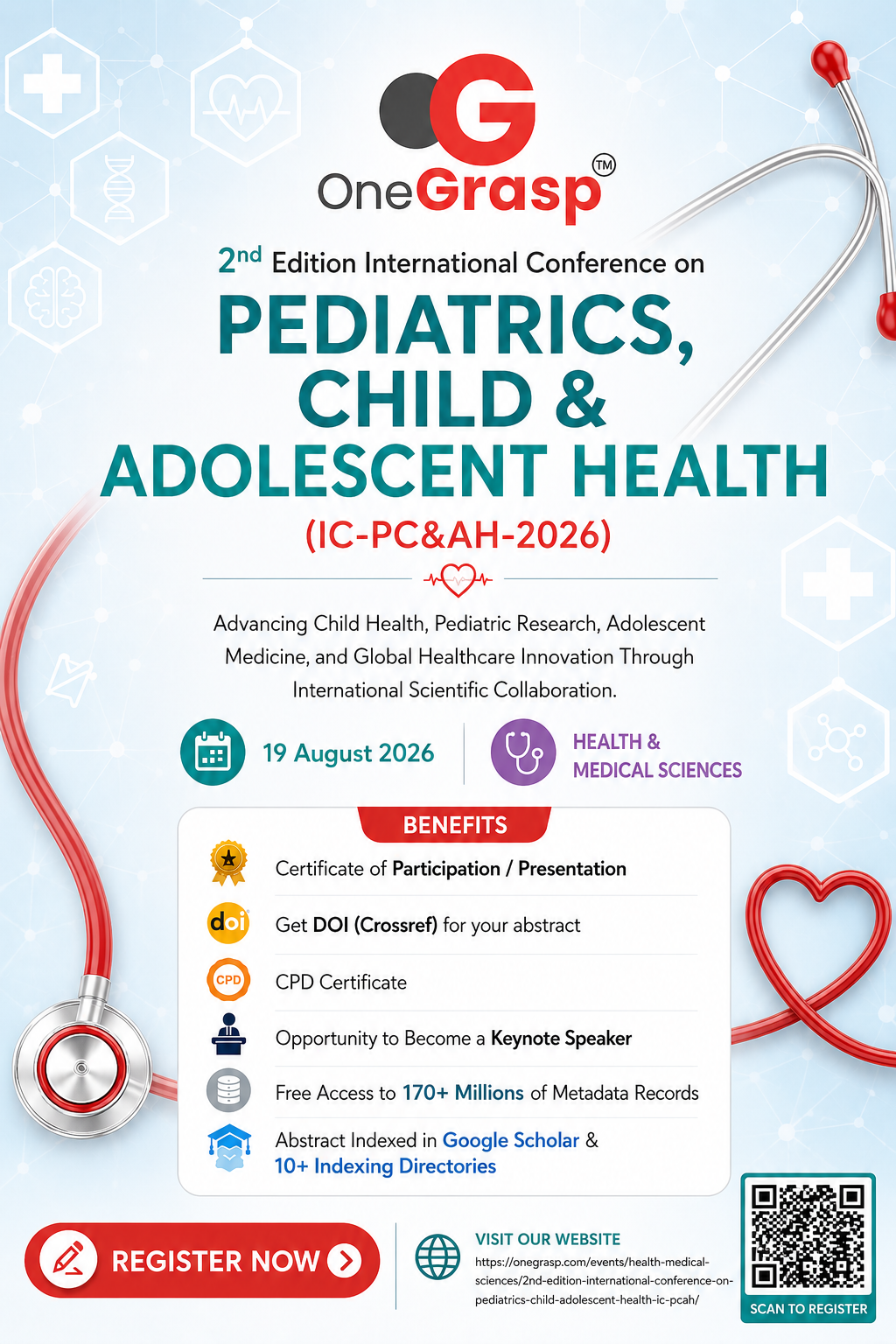
The Pediatric Conference 2026 brings together leading experts to showcase cutting‑edge research and solutions for child and adolescent health challenges.
Why Attend the Pediatric Conference 2026
The health and well-being of children and adolescents shape the future of every society. From neonatal care and childhood nutrition to adolescent mental health and chronic disease management, healthcare professionals today face increasingly complex challenges that require innovative solutions and interdisciplinary collaboration. As healthcare systems continue evolving, Pediatrics Child Adolescent Health research has become more important than ever in improving outcomes for younger populations.
The 2nd Edition International Conference on Pediatrics, Child & Adolescent Health (IC-PC&AH-2026) provides a global platform for pediatricians, healthcare professionals, researchers, academicians, students, and policymakers to discuss emerging developments in child and adolescent healthcare. The conference aims to promote knowledge exchange, scientific collaboration, and evidence-based approaches that support healthier futures for children worldwide.
Participants interested in attending, presenting research, or networking with experts can explore the official conference page here:
As global healthcare priorities increasingly focus on preventive care, mental health, and equitable access to treatment, conferences like IC-PC&AH-2026 play a crucial role in advancing pediatric medicine and child health research.
What Is IC-PC&AH-2026 About?
IC-PC&AH-2026 is an international conference dedicated to advancing research, clinical practice, and policy discussions related to pediatric and adolescent healthcare.
The conference brings together healthcare practitioners, child health specialists, researchers, educators, and policymakers to address some of the most pressing issues affecting children and adolescents today.
According to the conference overview, key focus areas include neonatal care, pediatric infectious diseases, immunization, child and adolescent mental health, developmental disorders, nutrition, chronic diseases, emergency care, and innovative treatment approaches designed to improve health outcomes globally.
The event provides opportunities for both paper presenters and attendees, making it valuable for experienced professionals as well as students entering the field.
Why Child and Adolescent Health Matters Today
Investing in child and adolescent health creates lifelong benefits for individuals, communities, and healthcare systems.
According to the World Health Organization, many adult health conditions originate during childhood and adolescence. Early intervention, preventive healthcare, and proper nutrition significantly influence long-term physical, emotional, and cognitive development.
Modern healthcare systems face growing challenges related to:
- Childhood obesity
- Mental health disorders
- Infectious disease prevention
- Developmental disorders
- Chronic pediatric conditions
- Healthcare accessibility
Research published through organizations such as the World Health Organization and UNICEF consistently highlights that improving child health outcomes contributes directly to educational achievement, economic productivity, and societal well-being.
As healthcare needs become increasingly complex, pediatric research and innovation continue to play a vital role in shaping future healthcare systems.
Conference Themes and Research Areas
The conference covers a broad range of topics that address both clinical and public health aspects of pediatric care.
Major conference themes include:
Neonatal and Infant Care
Research focused on improving outcomes for newborns and infants through advanced clinical practices and early intervention strategies.
Pediatric Infectious Diseases and Immunization
Studies examining disease prevention, vaccination programs, emerging infections, and public health responses.
Child and Adolescent Mental Health
Research addressing emotional well-being, behavioral disorders, anxiety, depression, and mental health interventions.
Developmental and Behavioral Pediatrics
Exploration of developmental milestones, learning disorders, autism spectrum conditions, and behavioral health management.
Pediatric Nutrition and Growth Disorders
Studies investigating nutrition, childhood growth, obesity prevention, and dietary interventions.
Pediatric Cardiology and Pulmonology
Research focused on cardiovascular and respiratory conditions affecting children and adolescents.
Pediatric Neurology and Genetics
Advancements in understanding neurological disorders, genetic conditions, and personalized pediatric medicine.
Emergency and Critical Pediatric Care
Innovations in emergency medicine, intensive care, and acute healthcare management for young patients.
Pediatrics Child Adolescent Health and Global Development
Healthy children are essential for sustainable social and economic development.
Child health is closely linked to broader development goals, including education, poverty reduction, and healthcare equity. According to the United Nations Sustainable Development Goals, reducing child mortality and improving access to healthcare remain critical global priorities.
Many countries have made significant progress in reducing preventable childhood illnesses through vaccination programs, improved maternal healthcare, and nutrition initiatives. However, disparities in healthcare access continue to affect millions of children worldwide.
Organizations working in child health increasingly emphasize:
- Preventive healthcare
- Early diagnosis
- Community-based interventions
- Digital health solutions
- Family-centered care
- Health equity initiatives
These priorities align closely with many of the research themes discussed at IC-PC&AH-2026.
Emerging Trends in Pediatric Healthcare
Technological innovation and evidence-based medicine are transforming pediatric healthcare delivery.
Digital Pediatric Healthcare
Telemedicine and remote consultations are improving healthcare accessibility, particularly for families in underserved regions.
Precision Medicine
Genetic research is enabling more personalized treatment approaches for pediatric patients.
Artificial Intelligence in Pediatrics
AI tools are assisting healthcare professionals in diagnostics, clinical decision-making, and disease prediction.
Pediatric Mental Health Innovations
Healthcare systems are expanding mental health services to address growing concerns related to adolescent well-being.
Wearable Health Technologies
Smart devices are increasingly used to monitor chronic conditions and improve long-term disease management.
Research from healthcare organizations and medical institutions suggests these technologies will continue influencing pediatric care models throughout the coming decade.
Opportunities for Researchers, Clinicians, and Students
IC-PC&AH-2026 offers valuable opportunities for professional growth, academic development, and international collaboration.
Researchers can:
- Present original studies
- Receive peer-reviewed feedback
- Expand international collaborations
- Share innovative findings
Clinicians can:
- Learn about evidence-based treatments
- Explore emerging healthcare technologies
- Exchange practical experiences
Students and trainees can:
- Gain exposure to current research
- Develop presentation skills
- Build professional networks
- Explore career opportunities
Public health professionals and policymakers can also benefit by understanding emerging strategies that improve child health outcomes globally.
Expert Insight: The Future of Pediatric Healthcare
Pediatric healthcare is entering an era characterized by preventive medicine, personalized treatments, and integrated care models.
Future developments are likely to include:
- Expanded genetic screening
- AI-assisted diagnostics
- Improved neonatal technologies
- Enhanced mental health support systems
- Greater use of digital healthcare platforms
- More personalized treatment plans
However, innovation alone is not sufficient. Future success will depend on ensuring equitable healthcare access, strengthening healthcare infrastructure, and fostering collaboration among clinicians, researchers, educators, and policymakers.
Conferences such as IC-PC&AH-2026 contribute significantly to these goals by facilitating knowledge exchange and encouraging interdisciplinary solutions.
Latest Trends & Updates
Pediatric mental health has become one of the fastest-growing areas of healthcare research. Healthcare providers worldwide are expanding services focused on anxiety, depression, and emotional well-being among children and adolescents.
Digital health technologies are improving access to pediatric care through telemedicine, remote monitoring, and virtual consultations. These tools help bridge healthcare gaps in underserved communities.
Advancements in neonatal care continue to improve survival rates and long-term outcomes for premature and high-risk infants. New monitoring technologies and evidence-based interventions are playing an important role.
Artificial intelligence is increasingly being used in pediatric diagnostics, clinical decision support, and predictive healthcare applications. Researchers are exploring how AI can support earlier detection of diseases and developmental conditions.
Precision medicine and genomic research are enabling more individualized treatment approaches for children with rare diseases and complex health conditions.
Global public health initiatives continue focusing on vaccination coverage, nutrition programs, and preventive healthcare strategies that support healthier childhood development worldwide.
Real-Life Example: Advancing Child Health Through Research Collaboration
A pediatric resident researching childhood nutrition identified increasing rates of nutritional deficiencies among school-aged children in underserved communities.
Although the research findings were promising, the researcher lacked opportunities to discuss practical implementation strategies with experts from different disciplines.
By participating in an international pediatric health conference, the researcher connected with nutrition specialists, public health professionals, and child development experts. These interactions led to improvements in study design and the development of a larger collaborative project focused on community-based nutrition interventions.
The experience demonstrated how academic conferences can transform research ideas into practical healthcare solutions that benefit children and families.
Traditional Pediatric Care vs Modern Integrated Pediatric Care
| Traditional Pediatric Care | Modern Integrated Pediatric Care |
|---|---|
| Reactive treatment approach | Preventive care focus |
| Limited digital tools | Digital health integration |
| Isolated healthcare delivery | Multidisciplinary care models |
| Standardized treatment | Personalized medicine |
| Facility-based monitoring | Remote health monitoring |
| Limited data utilization | Data-driven decision making |
Beginner vs Expert Perspective in Pediatric Research
| Beginners | Experts |
|---|---|
| Focus on individual conditions | Focus on whole-child health |
| Limited interdisciplinary perspective | Integrated healthcare approach |
| Basic research methods | Advanced evidence-based analysis |
| Clinical-only focus | Clinical and public health focus |
| Short-term outcomes | Long-term developmental outcomes |
Pros and Cons of Participating in IC-PC&AH-2026
| Pros | Cons |
|---|---|
| Global networking opportunities | Requires preparation time |
| Exposure to current research | Competitive presentations |
| Professional development | Learning curve for newcomers |
| Academic recognition | Active participation needed |
| Knowledge sharing | Continuous learning required |
Common Mistakes to Avoid
Submitting Incomplete Research Abstracts
Ensure objectives, methodology, results, and significance are clearly presented.
Ignoring Multidisciplinary Perspectives
Child health often requires collaboration across medical, psychological, educational, and public health disciplines.
Focusing Only on Clinical Outcomes
Broader developmental, social, and family-related factors should also be considered.
Neglecting Preventive Healthcare Approaches
Prevention remains one of the most effective strategies for improving long-term child health outcomes.
Poor Networking Preparation
Building professional relationships often creates future research and career opportunities.
What to Do Next
If you plan to participate in IC-PC&AH-2026:
- Review conference themes carefully.
- Identify a suitable research topic.
- Conduct an updated literature review.
- Prepare a high-quality abstract.
- Register before the deadline.
- Prepare presentation materials.
- Participate in networking sessions.
- Stay informed about emerging pediatric healthcare trends.
Conference information and registration details are available here:
Quick Checklist
✓ Select research topic
✓ Review conference themes
✓ Prepare abstract submission
✓ Verify submission guidelines
✓ Complete registration
✓ Prepare presentation materials
✓ Research current pediatric trends
✓ Plan networking opportunities
Conclusion
Children and adolescents represent the foundation of future societies, making investments in their health and well-being essential. Advances in pediatric medicine, mental health care, preventive healthcare, and digital health technologies are creating new opportunities to improve outcomes for young populations worldwide.
The 2nd Edition International Conference on Pediatrics, Child & Adolescent Health (IC-PC&AH-2026) offers an important platform for researchers, clinicians, students, and policymakers to explore these developments while contributing to meaningful discussions that shape the future of child healthcare.
As healthcare systems continue evolving, collaboration across disciplines will remain critical for addressing emerging challenges and ensuring healthier futures for children and adolescents. Participation in IC-PC&AH-2026 provides valuable opportunities to learn, share knowledge, and contribute to positive change in pediatric healthcare.
For participation and conference details, visit:
Frequently Asked Questions
Pediatricians, healthcare professionals, researchers, students, public health experts, and policymakers can benefit from attending.
Yes. Students and trainees are encouraged to attend and present research findings.
No. Participants may attend as listeners without presenting research.
The conference covers neonatal care, infectious diseases, mental health, nutrition, developmental disorders, chronic diseases, emergency care, and public health topics.
It provides a platform for sharing research, learning about healthcare innovations, and improving child and adolescent health outcomes globally.