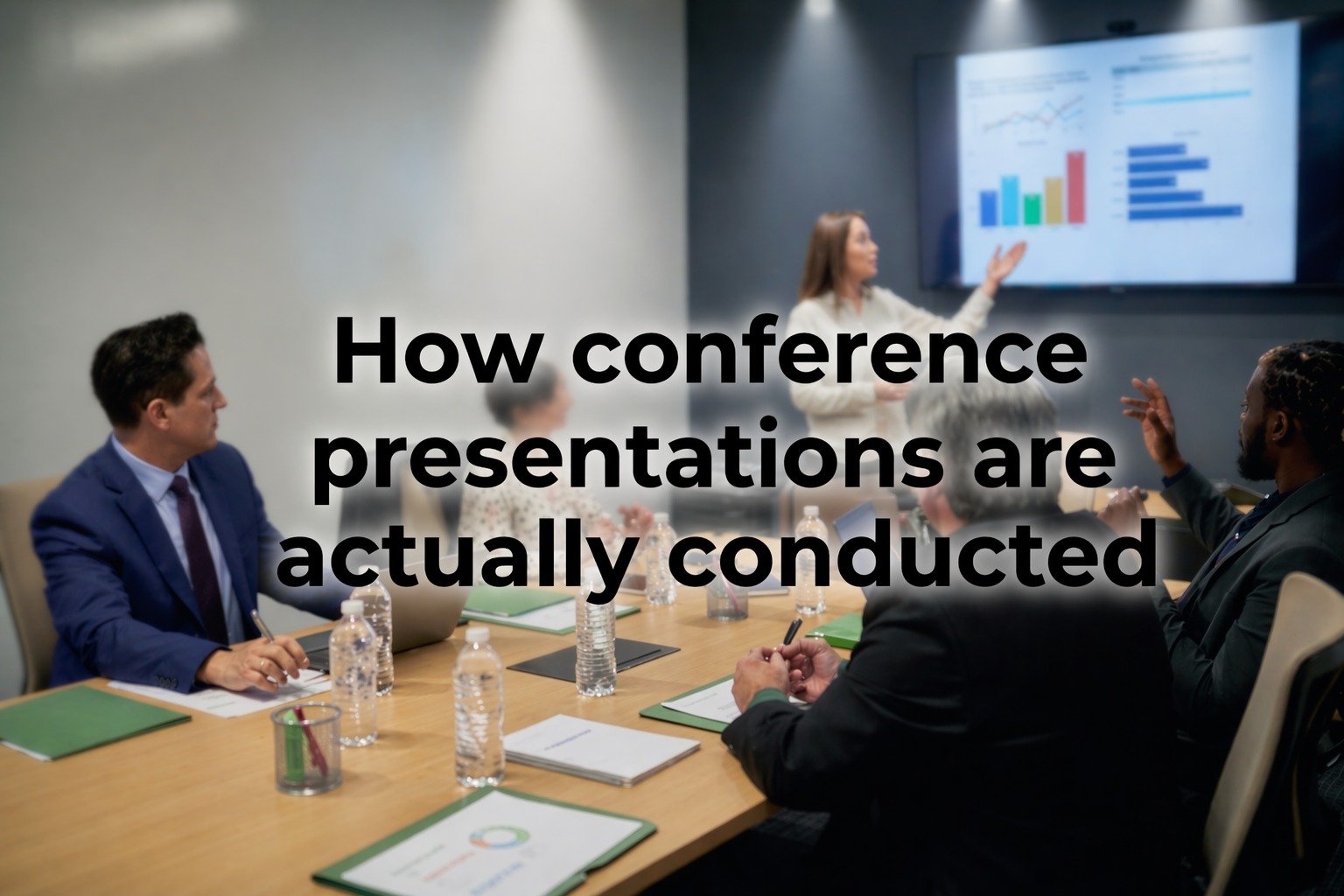
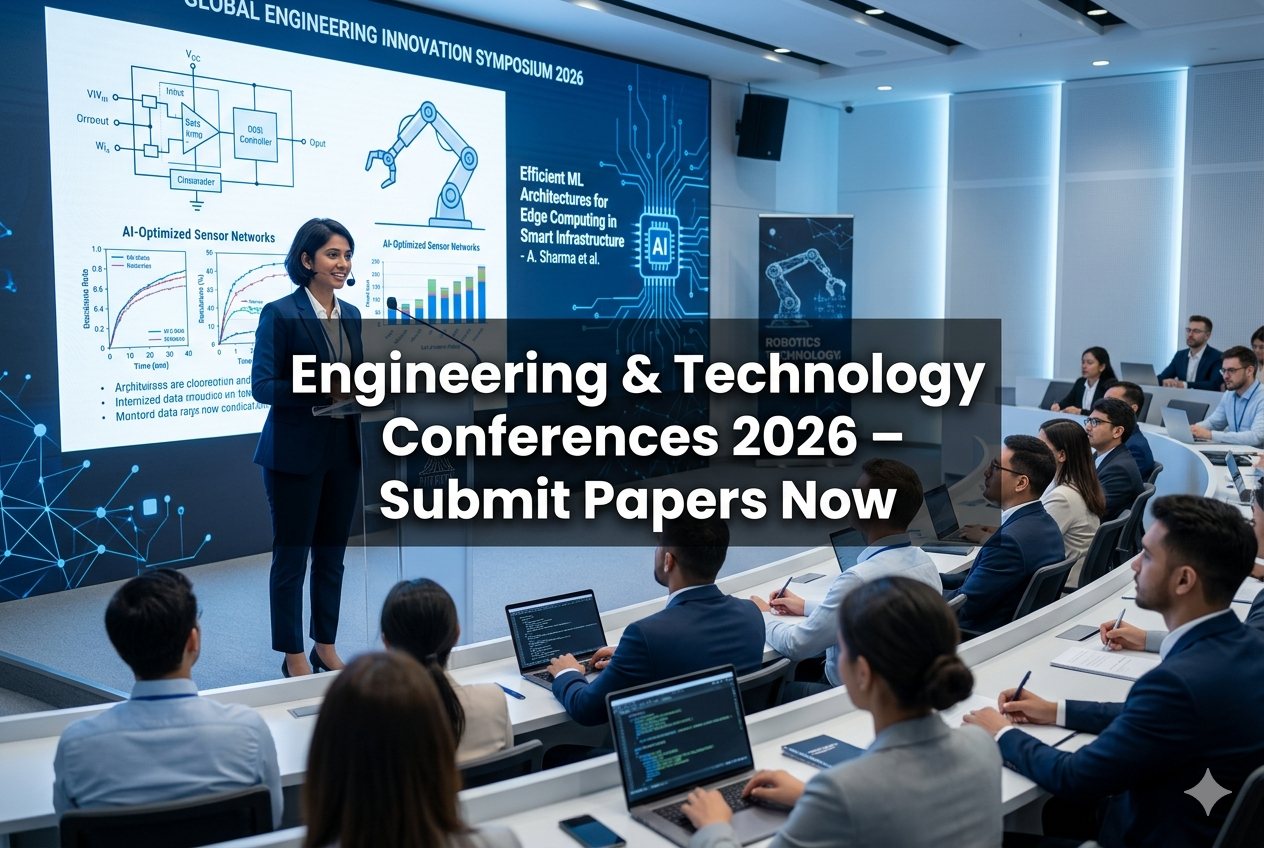
The conference presentation process guides students and researchers through each stage, from submitting their paper to delivering a confident talk on stage.
For many students and young researchers, academic conferences feel mysterious. You submit a paper, wait for acceptance, and then suddenly you are expected to present in front of experts.
But what actually happens in a conference presentation process? How is it structured, delivered, and evaluated?
Let’s break it down in a simple, practical way so you can confidently participate in your next academic conference.
Understanding what a conference presentation really is
A conference presentation is a formal way of sharing your research work with an academic or professional audience.
It usually involves:
Presenting your research paper
Explaining your methodology and findings
Answering questions from experts
Receiving feedback for improvement
Moreover, conferences are not just about presenting—they are about learning, networking, and academic recognition.
Once accepted, the next step is converting your paper into a presentation format.
Most conferences require:
PowerPoint slides or PDF format
8–15 minutes presentation duration
Clear visuals instead of heavy text
In addition, students must simplify complex research into easy-to-understand slides.
Therefore, clarity is more important than technical depth during presentation.
Step 3: The actual presentation day structure
On the conference day, the conference presentation process follows a structured flow:
Registration and session allocation
Technical briefing by organizers
Presentation in assigned session
Q&A with judges or experts
Feedback and evaluation
Moreover, presentations are usually grouped into parallel sessions based on topics like AI, engineering, management, or social sciences.
Each speaker is given a fixed time slot, and time management is strictly followed.
Step 4: Evaluation and feedback system
After presenting, researchers are evaluated based on:
Originality of research
Clarity of presentation
Technical depth
Answering capability during Q&A
However, even strong research can lose impact if communication is weak.
Therefore, presentation skills are just as important as research quality.
Step 5: Networking and learning opportunities
One of the biggest advantages of conferences is networking.
Participants get opportunities to:
Meet professors and industry experts
Connect with fellow researchers
Discover collaboration opportunities
Explore future research directions
In addition, many students secure internships or PhD opportunities through conference interactions.
You can also explore more learning opportunities here:
Tips to Choose the Right College for research exposure
Your college environment influences your conference experience:
Check if faculty encourages research papers
Look for funding support for conferences
Ensure access to academic journals
Prefer institutions with research cells
Participate in internal seminars and workshops
A research-oriented college helps you understand the conference presentation process better
Common Mistakes Students Make
Many first-time presenters struggle due to avoidable mistakes:
Reading slides instead of presenting
Overloading slides with text
Ignoring time limits
Poor handling of questions
Lack of practice before presentation
Moreover, nervousness often reduces clarity, even when research is strong.
Why conference presentations matter
Participating in conferences provides long-term academic and career benefits:
Builds research credibility
Enhances communication skills
Improves academic profile for higher studies
Opens networking opportunities
Increases chances of publication and recognition
Therefore, conferences are not just events—they are career-building platforms.
FAQs
1. What is a conference presentation? It is the formal presentation of research work in an academic conference.
2. How long is a typical presentation? Usually between 8 to 15 minutes depending on the session.
3. Are conference presentations difficult? Not if you prepare well and practice your delivery.
4. What happens after presentation? You receive feedback, and sometimes publication opportunities.
5. Do conferences help in careers? Yes, they improve academic and professional growth significantly.
Conclusion
Understanding the conference presentation process removes fear and builds confidence. It is not just about presenting research—it is about communicating ideas, learning from experts, and growing academically.
With proper preparation, anyone can deliver a strong and impactful presentation.
Frequently Asked Questions
What are the main steps in the conference presentation process?
It includes paper submission, acceptance, slide preparation, the presentation day, evaluation, and networking.
How long should a typical conference presentation be?
Most conferences allocate 8 to 15 minutes per presentation, depending on the session format.
What common mistakes should first‑time presenters avoid?
Avoid reading slides verbatim, overloading slides with text, ignoring time limits, and not practicing Q&A responses.
How is my presentation evaluated after the talk?
Evaluators look at originality, clarity, technical depth, and how well you handle questions.
Can presenting at conferences help my career?
Yes, it builds research credibility, improves communication skills, expands your network, and can lead to publications or job offers.

 April 22, 2026
  5 Min
5 Min  No Comment