May 22, 2026
 9 Min
 No Comment
Education is continuously evolving as societies adapt to technological advancement, changing workforce demands, globalization, and new learning expectations. Traditional teaching methods are being reexamined while modern educational systems increasingly emphasize innovation, evidence-based instruction, student engagement, and interdisciplinary learning.
As a result, the educational research theory practice field has become one of the most important areas for improving teaching quality, educational policy, curriculum development, and learning outcomes worldwide.
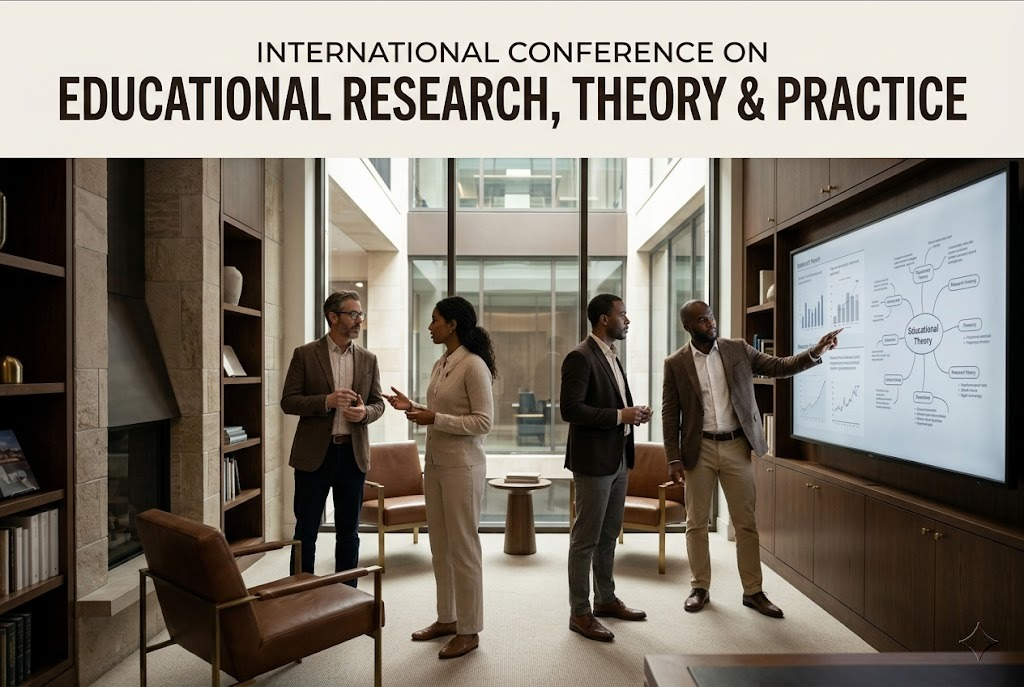
The International Conference on Educational Research, Theory & Practice provides a global academic platform where researchers, educators, scholars, policymakers, and students can explore modern educational challenges, research methodologies, innovative pedagogical approaches, and practical classroom applications.
Official registration page: https://onegrasp.com/events/education/international-conference-on-edtech-policy-standards-governance/
Explore more academic conferences and international events here: https://onegrasp.com/events/
The conference encourages interdisciplinary collaboration while helping participants bridge the gap between educational theory and real-world teaching practice.
Why Educational Research Matters Today
Educational systems worldwide are facing significant transformation.
Rapid technological innovation, AI-powered learning systems, hybrid classrooms, and changing student expectations are forcing educators and institutions to rethink traditional approaches to teaching and learning.
Educational research plays a major role in helping schools, universities, and policymakers understand:
- Which teaching methods improve student outcomes
- How technology affects learning behavior
- What motivates student engagement
- How curriculum design influences academic success
- Which assessment methods are most effective
- How inclusive education systems can be improved
According to UNESCO, evidence-based educational research is essential for improving global learning systems and ensuring inclusive, equitable quality education.
https://www.unesco.org/en/education
Meanwhile, modern educational research increasingly combines psychology, technology, neuroscience, policy analysis, and data science to better understand how students learn.
What the Conference Focuses On
The International Conference on Educational Research, Theory & Practice focuses on innovative teaching strategies, learning sciences, curriculum development, educational psychology, and evidence-based educational frameworks.
Key conference themes often include:
- Educational research methodologies
- Modern teaching and learning theories
- Curriculum innovation and design
- Assessment and evaluation systems
- Educational technology integration
- Teacher education and professional development
- Inclusive and equitable education
- Student engagement and motivation
- Learning sciences and cognitive development
- Online and hybrid learning models
These discussions help educators and researchers develop more effective, inclusive, and future-ready educational systems.
Educational Research Theory Practice in Modern Learning Systems
The educational research theory practice movement has become increasingly influential across schools, universities, and policy institutions worldwide.
Traditional education systems often relied heavily on standardized instruction and fixed classroom models. However, modern research now emphasizes adaptive learning, personalized instruction, collaborative learning environments, and student-centered education.
For example, cognitive science research has shown that active learning approaches often improve student retention and engagement compared to passive lecture-based instruction.
Similarly, digital learning technologies now allow educators to analyze student learning patterns, personalize educational experiences, and improve assessment systems.
According to research from Harvard Graduate School of Education, effective learning environments increasingly combine educational theory with practical classroom implementation and continuous improvement strategies.
https://www.gse.harvard.edu/
As a result, educational institutions are increasingly relying on research-driven teaching models and data-informed instructional strategies.
The Growing Role of Technology in Educational Research
Technology is transforming educational research and classroom practice at an unprecedented pace.
AI-powered learning systems, learning analytics platforms, virtual classrooms, and digital assessment tools are changing how educators teach and how students learn.
Modern educational technologies now support:
- Personalized learning pathways
- Adaptive assessment systems
- Real-time student feedback
- Interactive digital classrooms
- Learning analytics and performance tracking
- AI-assisted tutoring systems
However, these innovations also create new research questions related to ethics, accessibility, student wellbeing, and digital equity.
According to education technology studies, hybrid learning environments and AI-assisted education systems will continue reshaping educational practices globally over the next decade.
https://www.oecd.org/education/
As a result, educational researchers increasingly work across multiple disciplines including technology, psychology, sociology, and public policy.
Why Virtual Conferences Are Important for Educational Researchers
Virtual conferences have significantly expanded access to global educational research communities.
Previously, many international academic conferences required expensive travel and limited participation opportunities. Today, virtual events allow researchers, educators, and students worldwide to participate more easily and affordably.
This accessibility is especially valuable for:
- Early-career researchers
- Graduate students
- Teachers and school administrators
- Independent scholars
- Researchers from developing countries
- Interdisciplinary academic professionals
Virtual conferences also encourage wider collaboration between education researchers, policymakers, psychologists, technologists, and institutional leaders.
According to Harvard Business Review, virtual collaboration environments continue improving global knowledge exchange and professional networking opportunities.
https://hbr.org/2020/06/what-it-takes-to-run-a-great-virtual-meeting
As a result, educational research communities are becoming more globally connected and interdisciplinary.
Call for Papers and Research Opportunities
The conference provides opportunities for participants to present original research, theoretical frameworks, classroom innovations, policy analysis, and practical teaching strategies.
Researchers can typically submit papers in areas such as:
- Learning theories and pedagogy
- Curriculum design and development
- Educational assessment systems
- Educational leadership and policy
- Digital and online learning
- Teacher professional development
- Inclusive education frameworks
- Educational psychology
- Student engagement strategies
- AI and educational innovation
Abstract Submission Guidelines
Participants are generally encouraged to submit:
- A 300–350 word abstract
- Author details and affiliations
- Keywords
- Research objectives and findings
Participants who do not wish to present papers may also attend as listeners.
Who Should Attend This Conference
This conference is suitable for professionals and researchers working across education, policy, technology, and academic development sectors.
It is especially valuable for:
- Teachers and educators
- Academic researchers
- Curriculum designers
- Educational psychologists
- School administrators
- Education policymakers
- PhD scholars and students
- Instructional designers
- EdTech researchers
Even beginners can benefit because many sessions focus on foundational educational theories and practical teaching applications.
Expert Insight / Analysis
Educational research is becoming increasingly important as education systems face rapid social and technological transformation.
Experts now recognize that effective education requires more than standardized instruction. Students learn differently based on cognitive, emotional, cultural, and technological factors.
This means educational systems must become more flexible, evidence-based, and learner-centered.
Meanwhile, data-driven educational research is helping institutions identify which teaching practices improve student engagement, retention, collaboration, and long-term academic success.
Long-term, institutions that successfully combine educational theory with practical implementation may become leaders in innovation, learning effectiveness, and educational quality.
Latest Trends / Updates
AI-powered adaptive learning systems are becoming increasingly common in schools and universities.

Hybrid learning environments continue expanding across higher education and professional training programs.

Learning analytics tools are helping educators personalize instruction and improve student performance tracking.

Microlearning and competency-based education models are gaining popularity in modern education systems.

Educational neuroscience research is improving understanding of memory, attention, and learning behavior.

Virtual academic conferences are increasing global collaboration among education researchers and policymakers.
Common Mistakes to Avoid
Many educational researchers and conference participants make avoidable mistakes that reduce the impact of their work.
Common issues include:
- Using overly broad research topics
- Focusing only on theory without practical application
- Ignoring recent educational technology trends
- Weak research methodology design
- Limited interdisciplinary collaboration
- Passive conference participation
Researchers can improve their outcomes by selecting focused topics, using evidence-based analysis, and actively engaging with academic communities.
Real-Life Example / Mini Case Study
A university introduced a research-driven blended learning model combining classroom instruction with AI-powered learning analytics.
Faculty members used learning data to identify student engagement patterns and personalize instructional strategies.
Within two academic years, the university reported improved course completion rates, higher student satisfaction, and stronger academic performance.
This example demonstrates how educational research and practical implementation can significantly improve learning outcomes.
Traditional Teaching vs Research-Driven Education
| Traditional Teaching Models | Research-Driven Education |
|---|---|
| Lecture-focused instruction | Student-centered learning |
| Fixed curriculum approaches | Adaptive learning strategies |
| Standardized assessments | Personalized evaluation systems |
| Limited technology integration | Data-informed teaching methods |
| Passive learning environments | Interactive learning experiences |
Pros and Cons of Virtual Educational Conferences
| Pros | Cons |
|---|---|
| Global accessibility | Reduced face-to-face networking |
| Lower participation costs | Screen fatigue |
| Flexible attendance | Time zone differences |
| Easier student participation | Technical connectivity issues |
| Wider interdisciplinary collaboration | Limited informal discussions |
Beginner vs Expert Approach in Educational Research
| Beginner Approach | Expert Approach |
|---|---|
| Focuses mainly on theory | Combines theory with classroom application |
| Broad research topics | Highly specialized research focus |
| Limited data analysis | Advanced evidence-based methodology |
| Passive conference participation | Strategic networking and collaboration |
| Basic literature review | Interdisciplinary research integration |
What to Do Next
If you are interested in educational research, teaching innovation, or learning sciences, begin preparing early for conference participation.
Actionable next steps include:
- Select a focused education research topic
- Explore current teaching and learning trends
- Review recent educational technology developments
- Prepare a concise research abstract
- Attend virtual networking sessions
- Collaborate with interdisciplinary researchers
Official registration page:
https://onegrasp.com/conference-events/international-conference-on-educational-research-theory-practice/
Explore more academic conferences here: https://onegrasp.com/events/
Quick Checklist
- Choose a focused research topic
- Review current educational trends
- Prepare a strong abstract
- Study conference themes carefully
- Participate in networking discussions
- Explore interdisciplinary collaboration
- Follow submission guidelines
- Connect with global education researchers
Conclusion
The International Conference on Educational Research, Theory & Practice highlights the growing importance of evidence-based teaching, educational innovation, and interdisciplinary learning research in modern education systems.
As schools and universities continue adapting to technological advancement and evolving learner expectations, educational research will remain essential for improving teaching quality, student engagement, and long-term learning outcomes. Conferences like this provide valuable opportunities for collaboration, academic exchange, and professional development.
Whether you are a teacher, researcher, policymaker, student, or educational innovator, participating in this conference can deepen your understanding of modern educational research while connecting you with a global network of academic professionals and learning experts.
FAQs
Yes, beginners can participate and learn foundational concepts related to educational research and teaching innovation.
Yes, participants may join as listeners without presenting papers.
Topics include teaching methods, curriculum development, educational psychology, assessment systems, online learning, and educational technology.
Educational research helps improve teaching quality, student outcomes, curriculum design, and evidence-based educational policies.
Official registration link: https://onegrasp.com/conference-events/international-conference-on-educational-research-theory-practice/