May 22, 2026
 10 Min
 No Comment
Human rights, equality, diversity, and social inclusion have become some of the most important global priorities in modern society. Across the world, governments, researchers, educators, activists, policymakers, and organizations are working to address issues related to discrimination, gender inequality, social exclusion, access to education, labor rights, healthcare equity, and community empowerment.
Today, the social sciences human rights field plays a vital role in understanding how societies can become more inclusive, equitable, and sustainable through research, policy innovation, education, and social engagement.
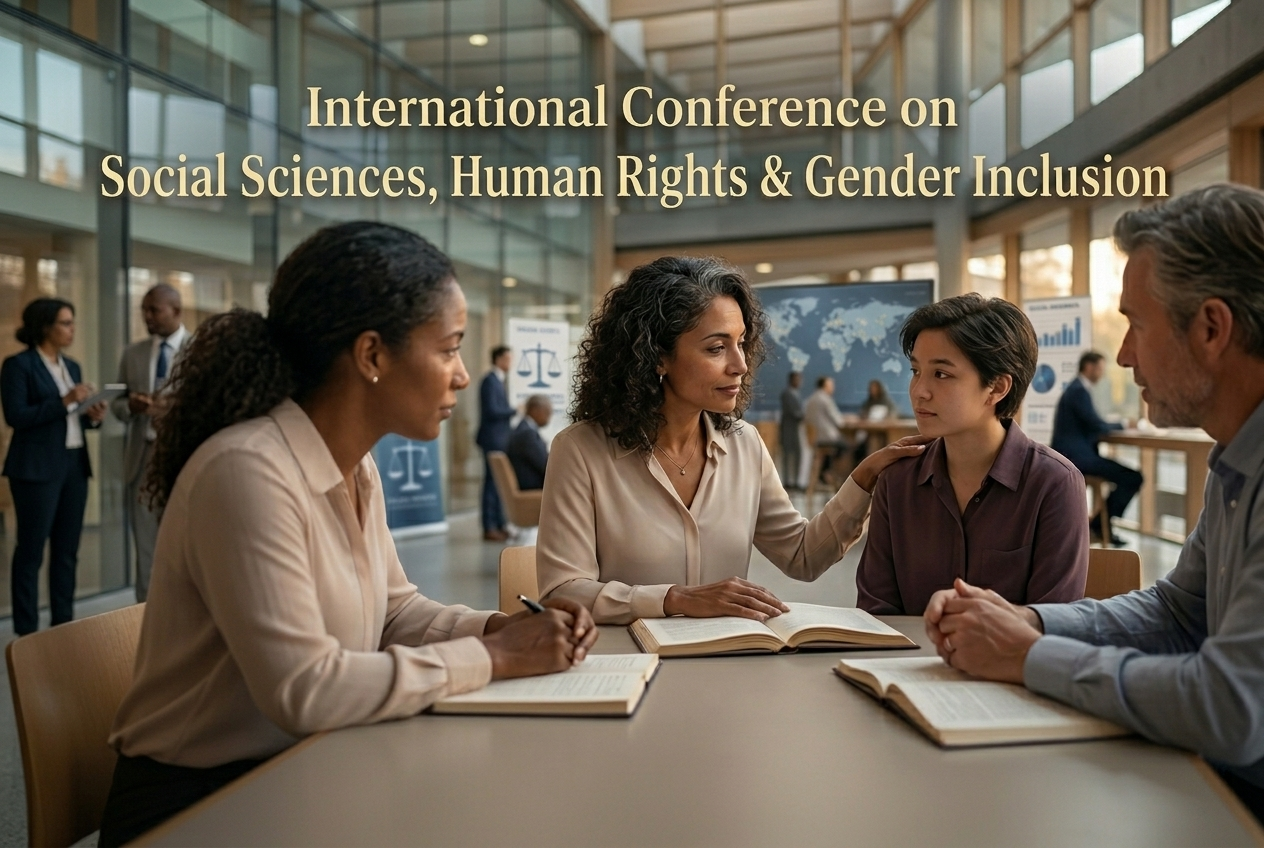
The International Conference on Social Sciences, Human Rights & Gender Inclusion provides a global academic platform where researchers, educators, policymakers, social scientists, legal scholars, activists, nonprofit leaders, and students can discuss emerging research, human rights frameworks, social justice systems, and inclusive development strategies.
Official registration page: http://onegrasp.com/events/social-sciences-humanities/international-conference-on-social-sciences-human-rights-gender-inclusion/
Explore more international academic conferences here: OneGrasp Events
The conference encourages interdisciplinary collaboration focused on equality, gender inclusion, public policy, social justice, ethical governance, and sustainable human development.
Why Social Sciences, Human Rights, and Gender Inclusion Matter Today
Modern societies continue facing complex challenges related to inequality, discrimination, marginalization, and unequal access to opportunities.
These challenges include:
- Gender inequality and workplace discrimination
- Human rights violations
- Social exclusion and poverty
- Educational inequality
- Healthcare accessibility gaps
- Labor and migration rights
- Diversity and inclusion challenges
- Political representation disparities
- Community marginalization
- Digital inequality
Social sciences and human rights research help societies better understand how legal systems, cultural structures, education, governance, and public policies influence equality and inclusion.
According to the United Nations Human Rights Office, inclusive societies and equal rights are essential foundations for sustainable development and social stability.
As a result, interdisciplinary human rights and inclusion research are becoming increasingly important across governance, education, public policy, law, healthcare, and nonprofit sectors.
What the Conference Focuses On
The International Conference on Social Sciences, Human Rights & Gender Inclusion focuses on equality, social justice, diversity, governance, inclusion policies, and interdisciplinary social research.
Key conference themes often include:
- Human rights and social justice
- Gender equality and women empowerment
- Diversity and inclusion strategies
- Public policy and governance
- Education and social equity
- Community development and participation
- Migration and labor rights
- Social welfare systems
- Ethical leadership and inclusion
- Sustainable development and equality
These discussions help researchers and practitioners better understand how inclusive social systems can improve public wellbeing and strengthen democratic societies.
Social Sciences Human Rights in the Modern Era
The social sciences human rights field has evolved significantly because of globalization, technological transformation, social movements, and changing policy environments.
Traditional social systems often focused mainly on legal frameworks and institutional governance. However, modern human rights research increasingly emphasizes:
- Community-centered inclusion
- Gender-sensitive policymaking
- Digital rights and accessibility
- Intersectionality and diversity
- Inclusive education systems
- Participatory governance
- Social equity frameworks
- Sustainable inclusion strategies
For example, digital platforms and social media movements have amplified discussions around gender equality, labor rights, mental health awareness, and social justice.
According to the UN Women, gender equality and women’s empowerment are essential for achieving economic growth, sustainable development, and democratic progress.
This transformation is reshaping policy frameworks, educational systems, workplace cultures, and governance models worldwide.
The Growing Importance of Gender Inclusion
Gender inclusion has become a major focus in social sciences, governance, education, and organizational leadership.
Modern gender studies research commonly focuses on:
- Workplace equality
- Leadership representation
- Inclusive policy development
- Gender-sensitive education systems
- Economic empowerment
- Social participation and representation
- Healthcare accessibility
- Legal protections and advocacy
Meanwhile, organizations and institutions are increasingly recognizing that diversity and inclusion improve innovation, collaboration, and long-term social stability.
For example, many governments and corporations now implement diversity policies and inclusion initiatives aimed at improving representation and equal opportunity systems.
According to the World Economic Forum Gender Gap Reports, gender inclusion remains a critical factor influencing economic participation, education access, and leadership opportunities worldwide.
As a result, gender-focused social research is becoming increasingly valuable across public policy, education, business, and nonprofit sectors.
Why Human Rights Research Is Essential
Human rights research helps societies identify structural inequalities, protect vulnerable populations, and improve social justice systems.
Modern human rights studies increasingly examine:
- Refugee and migration rights
- Child protection systems
- Disability inclusion
- Digital privacy and online rights
- Access to healthcare and education
- Community empowerment
- Political participation
- Ethical governance frameworks
Meanwhile, global institutions are increasingly investing in human rights education, policy development, and community inclusion strategies.
For example, interdisciplinary social research now helps governments and NGOs develop more equitable and evidence-based public policies.
This growing emphasis on inclusion and equality is transforming social policy and governance worldwide.
Why Virtual Conferences Are Important for Social Research
Virtual conferences have significantly expanded global collaboration in social sciences, human rights, and gender inclusion research.
Previously, many international academic conferences required expensive travel and limited participation opportunities. Today, online conferences allow researchers, educators, policymakers, students, NGOs, legal experts, and activists worldwide to collaborate more effectively.
This accessibility is especially valuable for:
- Early-career researchers
- Human rights advocates
- Students and educators
- Policy analysts
- Nonprofit organizations
- Researchers from underserved regions
Virtual academic events also improve interdisciplinary dialogue around equality, inclusion, governance, and social justice.
According to international higher education discussions, virtual collaboration is improving accessibility and participation in global human rights scholarship and policy research.
As a result, online conferences are becoming increasingly important for inclusive academic and professional engagement.
Call for Papers and Research Opportunities
The conference provides opportunities for participants to present original research, social policy analysis, equality frameworks, and inclusion-focused studies.
Researchers can typically submit papers in areas such as:
- Human rights and governance
- Gender inclusion and equality
- Diversity and social participation
- Education and social equity
- Public policy and law
- Community development
- Migration and labor rights
- Social justice systems
- Ethical leadership
- Sustainable inclusion strategies
Abstract Submission Guidelines
Participants are generally encouraged to submit:
- A 300–350 word abstract
- Author details and affiliations
- Keywords
- Research objectives and findings
Submissions commonly undergo peer-review evaluation before acceptance. Participants may also attend as listeners without presenting research papers.
Who Should Attend This Conference
This conference is valuable for professionals and researchers working across social sciences, public policy, governance, law, education, community development, and nonprofit sectors.
It is especially suitable for:
- Social scientists
- Human rights researchers
- Gender studies scholars
- Policymakers and legal experts
- Educators and students
- NGO and nonprofit professionals
- Community development practitioners
- Diversity and inclusion specialists
- Public administration researchers
Even beginners can benefit because many sessions introduce foundational concepts related to equality, governance, inclusion, and social justice.
Expert Insight / Analysis
Human rights and inclusion are becoming increasingly interconnected with economic development, governance quality, educational access, and social stability.
Experts now recognize that sustainable societies require inclusive systems that promote equal opportunity, ethical leadership, community participation, and social equity.
Meanwhile, digital transformation, AI-assisted policy analysis, and data-driven governance frameworks are reshaping social research and inclusion strategies globally.
However, long-term inclusion also depends heavily on cultural awareness, community engagement, ethical policymaking, and accessible education systems.
Institutions investing in interdisciplinary human rights and inclusion research today may significantly influence future governance frameworks and sustainable development systems.
Latest Trends / Updates
AI-assisted social policy analysis tools are improving equality and inclusion research globally.

Digital rights and online accessibility frameworks are becoming major priorities in governance systems.

Gender inclusion initiatives are expanding across education, healthcare, and workplace leadership sectors.

Community-centered policy development models are improving public participation and social equity.

Virtual conferences are increasing accessibility for global human rights and social science researchers.

Interdisciplinary social justice research is reshaping modern governance and sustainable development strategies.
Common Mistakes to Avoid
Many organizations and researchers make avoidable mistakes when approaching human rights and inclusion initiatives.
Common issues include:
- Ignoring local cultural and social contexts
- Weak community participation strategies
- Limited interdisciplinary collaboration
- Overreliance on short-term policy interventions
- Poor accessibility planning
- Insufficient diversity representation
Organizations and researchers can improve outcomes by focusing on ethical governance, evidence-based policy development, community engagement, and inclusive decision-making.
Real-Life Example / Mini Case Study
A university launched a gender inclusion initiative after studies revealed unequal leadership participation and limited representation in academic decision-making bodies.
Initially, the institution focused mainly on policy documentation. However, participation remained limited because structural and cultural barriers still existed.
The university later introduced mentorship programs, leadership workshops, inclusion training, and community dialogue sessions.
Within several years, leadership diversity improved significantly while student participation and institutional engagement also increased.
This example demonstrates how long-term inclusion strategies require both policy reform and active community participation.
Traditional Governance Models vs Modern Inclusive Frameworks
| Traditional Governance Models | Modern Inclusive Frameworks |
|---|---|
| Centralized decision-making | Community-centered participation |
| Limited diversity representation | Inclusive leadership systems |
| Reactive social policies | Preventive inclusion strategies |
| Isolated governance structures | Interdisciplinary collaboration |
| Short-term reforms | Long-term sustainable equity planning |
Pros and Cons of Virtual Human Rights Conferences
| Pros | Cons |
|---|---|
| Global accessibility | Reduced face-to-face networking |
| Lower participation costs | Time zone coordination challenges |
| Easier interdisciplinary collaboration | Limited in-person engagement |
| Wider participation opportunities | Technical connectivity issues |
| Flexible academic learning | Reduced informal networking |
Beginner vs Expert Approach in Human Rights Research
| Beginner Approach | Expert Approach |
|---|---|
| Focuses mainly on theory | Integrates policy and community analysis |
| Limited governance understanding | Advanced systems-based inclusion strategies |
| General equality discussions | Evidence-based social impact frameworks |
| Passive conference participation | Strategic interdisciplinary collaboration |
| Basic social justice awareness | Deep policy and governance analysis |
What to Do Next
If you are interested in social sciences, human rights, gender inclusion, or equality research, begin preparing early for conference participation.
Actionable next steps include:
- Select a focused human rights topic
- Study modern inclusion and governance trends
- Explore gender equality frameworks
- Prepare a concise research abstract
- Participate in virtual networking sessions
- Collaborate with interdisciplinary researchers
Official registration page: Register for the Conference
Explore additional international conferences here: Explore More Events
Quick Checklist
- Choose a focused human rights topic
- Review inclusion and governance trends
- Study diversity and equality frameworks
- Prepare a strong abstract
- Participate in networking discussions
- Explore interdisciplinary collaboration
- Follow submission guidelines
- Connect with global social science researchers
Conclusion
The International Conference on Social Sciences, Human Rights & Gender Inclusion highlights the growing importance of interdisciplinary social research in building inclusive, equitable, and sustainable societies.
As issues related to equality, diversity, governance, and human rights continue shaping global development, social sciences and inclusion-focused research will remain essential for improving public policy, strengthening communities, and promoting long-term social stability. Conferences like this provide valuable opportunities for academic collaboration, professional networking, and global knowledge exchange.
Whether you are a social scientist, policymaker, educator, researcher, student, legal expert, nonprofit leader, or inclusion specialist, participating in this conference can deepen your understanding of modern social systems while connecting you with a global network of human rights and social sciences professionals.
FAQs
Yes, beginners can participate and learn foundational concepts related to human rights, social sciences, equality, and gender inclusion.Yes, beginners can participate and learn foundational concepts related to human rights, social sciences, equality, and gender inclusion.
Yes, participants may join as listeners without presenting papers.
Topics include gender inclusion, social justice, public policy, diversity, governance, equality, and community development.
These fields help societies improve equality, strengthen democratic systems, protect vulnerable communities, and promote sustainable development.
Official registration link: Conference Registration Page