May 6, 2026
 4 Min
 No Comment
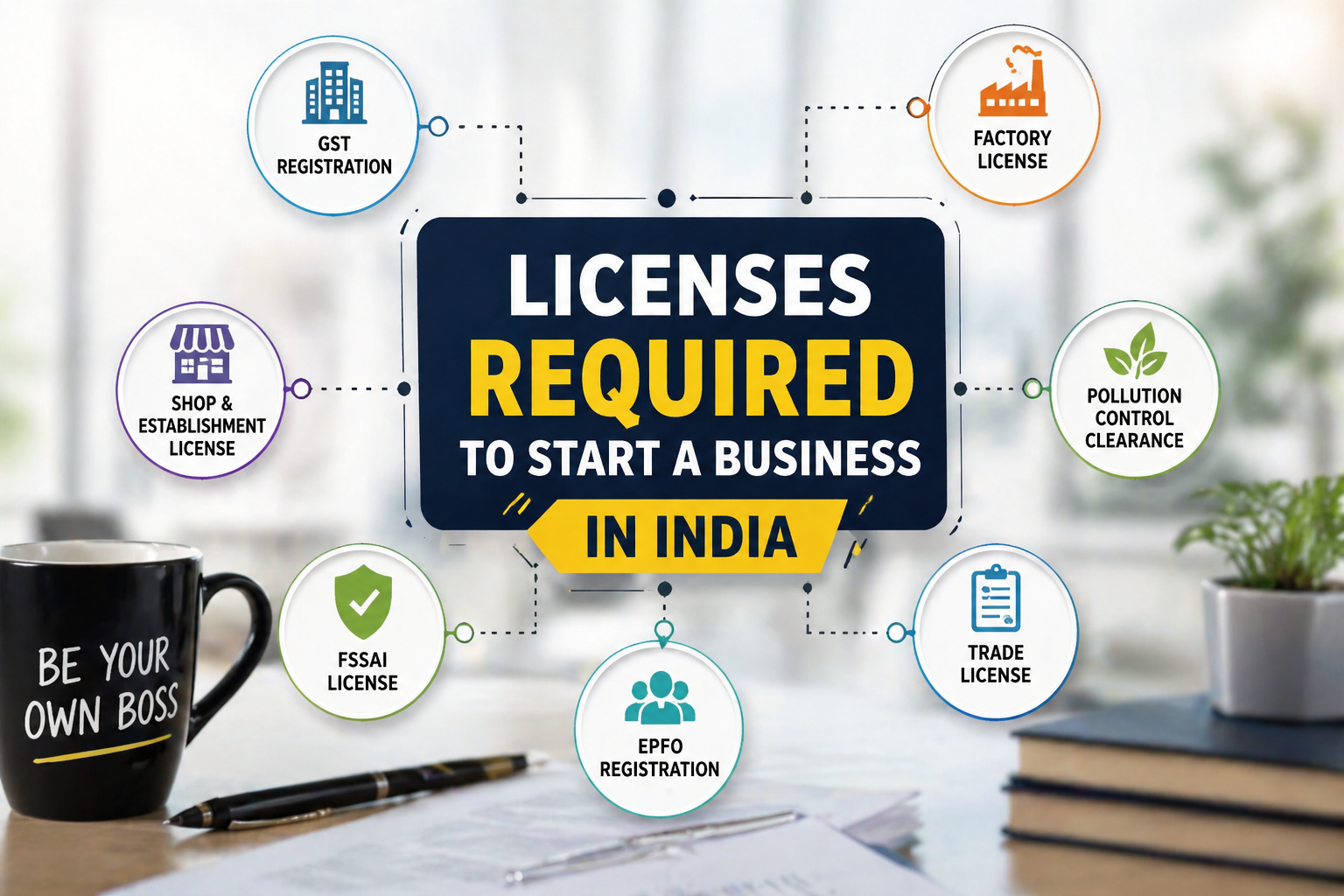
Understanding the licenses required to start a business in India is one of the most important steps before launching any startup or company. Many entrepreneurs focus only on ideas, funding, or marketing, but ignore legal compliance in the beginning. This often creates problems later when the business starts growing.
In India, the type of licenses required depends on the nature of the business, industry type, and scale of operations. Some businesses require minimal registration, while others need multiple approvals from government authorities.
If you are planning to start a business and want to understand how modern startups are structured, you can also explore practical startup insights on https://onegrasp.com/startups/ to better understand the business ecosystem.
Why Business Licenses Are Important
Business licenses are not just legal formalities. They help establish trust, ensure compliance with government rules, and allow businesses to operate smoothly without legal risks.
Without proper registration, a business may face penalties, restrictions, or even shutdown. That is why understanding the licenses required to start a business in India is essential for every entrepreneur.
Basic Business Registration in India
The first step for most startups is business registration. Depending on the structure, you may choose different forms such as sole proprietorship, partnership, LLP, or private limited company.
For companies, registration is done through the Ministry of Corporate Affairs under the Companies Act, 2013. This gives the business a legal identity and allows it to operate formally.
GST Registration
One of the most common licenses required to start a business in India is GST registration. Goods and Services Tax applies to businesses involved in selling goods or services beyond a certain turnover limit.
GST registration is mandatory for businesses engaged in interstate trade or e-commerce operations. It also helps in claiming input tax credit and maintaining proper tax compliance.
Shop and Establishment License
This license is required for most businesses operating from physical or commercial spaces. It regulates working hours, employee rights, and business operations at the state level.
Whether it is a retail store, office, or service-based business, this registration is often necessary depending on local laws.
MSME Registration
Micro, Small, and Medium Enterprises (MSME) registration helps small businesses access government benefits such as subsidies, loans, and incentives.
Although not mandatory, MSME registration is highly beneficial for startups looking for financial support and growth opportunities.
Import Export Code (IEC)
If a business plans to trade internationally, Import Export Code registration is required. It is issued by the Directorate General of Foreign Trade (DGFT).
Without this code, businesses cannot import or export goods legally from India.
FSSAI License for Food Businesses
For food-related businesses such as restaurants, food delivery, or packaged goods, an FSSAI license is mandatory. It ensures food safety standards are maintained.
Depending on business size, different types of FSSAI licenses are required.
Professional Tax Registration
Professional tax is applicable in some states in India for individuals earning income through business or employment. Businesses must register and deduct professional tax from employees where applicable.
Trademark Registration
While not mandatory, trademark registration is important for protecting brand identity. It prevents others from copying your business name, logo, or brand identity.
Many successful startups secure trademarks early to build strong brand protection.
Other Industry-Specific Licenses
Depending on the type of business, additional approvals may be required. For example, manufacturing units may need environmental clearances, while financial services may require RBI approvals.
Understanding industry-specific rules is important when evaluating the licenses required to start a business in India.
Common Mistakes Entrepreneurs Make
Many beginners ignore legal compliance in the early stages. Some start operations without GST registration, while others delay company registration until the business grows.
This often leads to penalties or legal complications later. Another common mistake is not checking state-specific regulations, which vary across India.
Strategic Insight
Legal compliance should be treated as a foundation, not an afterthought. A properly registered business builds trust with customers, investors, and partners.
According to insights from https://www.mckinsey.com/capabilities/quantumblack/our-insights, structured governance and compliance systems are key factors in long-term business sustainability and scalability.
Conclusion
Understanding the licenses required to start a business in India is essential for every entrepreneur. From basic registration to GST, MSME, and industry-specific approvals, each license plays an important role in ensuring smooth business operations.
Starting a business with proper legal setup not only avoids future risks but also creates a strong foundation for growth. Entrepreneurs who prioritize compliance from the beginning are better positioned for long-term success.