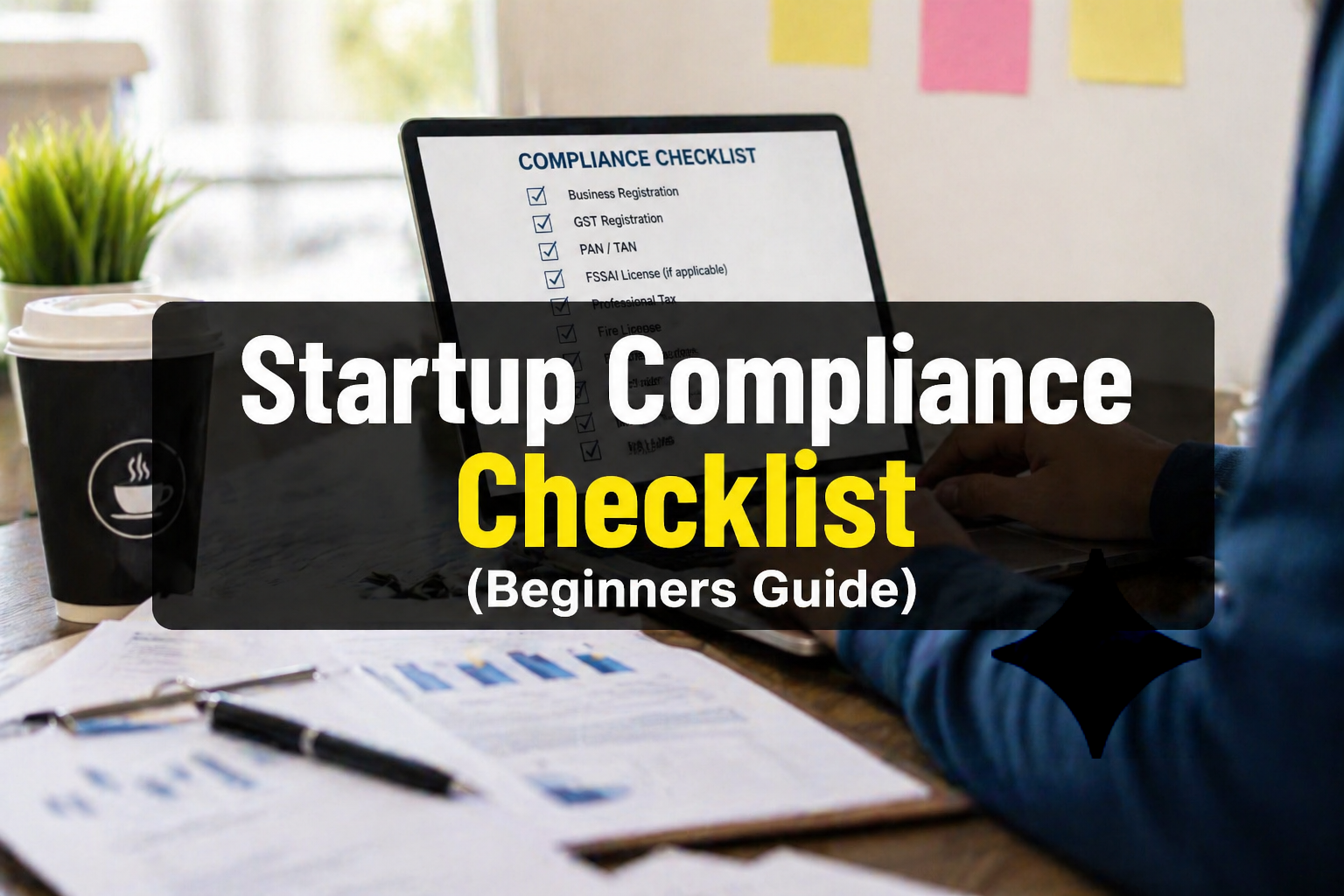
Starting a business is exciting. Many entrepreneurs focus heavily on product development, branding, marketing, and growth strategies. However, one of the most overlooked areas in the startup journey is compliance.
Ignoring legal, financial, or tax requirements can create serious problems later. Even successful startups sometimes face penalties, legal notices, or operational restrictions because they fail to maintain proper compliance systems.
This startup compliance checklist guide explains the essential legal and operational requirements beginners should understand before scaling a startup in 2026.
Compliance may sound complicated initially. However, understanding the basics early can save startups from expensive mistakes and unnecessary stress.
According to Forbes, startups with organized financial and legal systems often attract investors more easily because they appear more trustworthy and operationally stable.
If you want more startup insights and entrepreneurship resources, explore OneGrasp Startups for practical startup-focused content.
Every startup should maintain organized financial records from day one.
Important records include:
Revenue reports
Expense tracking
Salary payments
Tax invoices
Vendor agreements
Many beginners underestimate the importance of bookkeeping. However, proper records simplify audits, funding rounds, and tax filings significantly.
Modern accounting software makes financial management easier even for small startups.
Startup Compliance Checklist Guide for Employees
Once startups begin hiring employees, compliance responsibilities increase.
Important employee-related compliance areas include:
Employment contracts
Salary documentation
Payroll processing
Employee tax deductions
Workplace policies
In addition, startups should maintain clear HR systems to avoid future disputes.
Intellectual Property Protection
Many startups build innovative products but forget to protect their intellectual property.
Depending on the business type, startups may need:
Trademark registration
Copyright protection
Patent applications
Brand protection systems
Protecting intellectual property becomes especially important in competitive industries.
According to WIPO, intellectual property protection plays a major role in startup valuation and investor confidence.
Data Privacy and Cybersecurity Compliance
In 2026, data protection regulations are becoming stricter globally.
Startups handling customer data should implement:
Privacy policies
Secure payment systems
Data encryption
User consent systems
This is especially important for:
SaaS startups
eCommerce businesses
Fintech platforms
AI-based services
Failure to protect user data can damage both reputation and business operations.
Common Compliance Mistakes Startups Make
Ignoring Documentation
Some founders operate informally without maintaining proper agreements or records.
Mixing Personal and Business Finances
Using personal accounts for startup expenses creates accounting complications.
Delaying Tax Filings
Late filings increase penalties and reduce financial credibility.
Hiring Without Proper Contracts
Verbal agreements often create disputes later.
Ignoring Licensing Requirements
Certain industries require mandatory approvals and operational licenses.
Real-Life Startup Example
Imagine two startups launching similar digital businesses.
Startup A
Maintains proper documentation
Tracks finances carefully
Files taxes on time
Uses legal agreements
Startup B
Operates informally
Delays registrations
Ignores financial organization
When investors review both companies, Startup A appears more trustworthy and scalable.
This example shows why compliance directly impacts long-term business growth.
Expert Insight and Analysis
Many startup experts believe operational discipline is becoming more important than ever.
Earlier startup ecosystems often prioritized aggressive growth regardless of structure. However, modern investors increasingly evaluate governance, compliance, and financial transparency.
Experts also emphasize that compliance should not be viewed as a burden. Instead, it creates business stability and reduces future operational risks.
Strong compliance systems help startups:
Raise funding more easily
Build customer trust
Improve scalability
Avoid unnecessary legal complications
The most sustainable startups usually combine innovation with strong operational foundations.
Latest Compliance Trends in 2026
Startup compliance systems are evolving rapidly.
AI-Based Accounting
AI tools now automate bookkeeping and tax calculations.
Digital Documentation
Cloud-based compliance systems improve accessibility and organization.
Remote Work Compliance
Global remote teams require updated HR and payroll processes.
Stronger Data Protection Laws
Governments increasingly prioritize user privacy and cybersecurity.
ESG Compliance Growth
Investors increasingly evaluate environmental and ethical business practices.
These trends show that compliance is becoming more technology-driven and investor-focused.
Beginner vs Expert Startup Approach
Beginner Founder
Experienced Founder
Focuses only on growth
Balances growth and compliance
Delays legal setup
Establishes systems early
Uses informal agreements
Maintains documented processes
Ignores financial tracking
Reviews financial records regularly
Reacts to problems later
Prevents risks proactively
Experienced founders understand that organized businesses scale more efficiently.
Pros and Cons of Strong Compliance Systems
Pros
Cons
Reduces legal risk
Requires time and organization
Improves investor trust
Some compliance costs may be high
Simplifies scaling
Requires ongoing monitoring
Improves operational clarity
Can feel complex initially
Supports long-term stability
Needs professional guidance sometimes
Although compliance requires effort, the long-term benefits are significant.
Tools and Resources for Startup Compliance
Modern startups use digital tools to simplify compliance management.
These tools help startups maintain organized operational systems.
What to Do Next
If you are launching a startup, begin by organizing basic compliance systems immediately.
Then:
Register your business properly
Open a dedicated business bank account
Track finances regularly
Maintain legal agreements
File taxes on time
Protect intellectual property
Secure customer data
Most importantly, treat compliance as part of business growth rather than a secondary task.
Quick Startup Compliance Checklist
Register your business legally
Obtain required tax registrations
Open a business bank account
Maintain accounting records
Use proper employee contracts
Protect trademarks and branding
File taxes on time
Maintain privacy and security systems
Conclusion
Understanding startup compliance checklist guide principles is essential for building a sustainable and trustworthy business in 2026.
Many startups focus heavily on innovation while ignoring operational systems. However, compliance plays a major role in long-term business stability, investor trust, and scalability.
From tax filings and documentation to employee contracts and data security, organized compliance systems help startups operate professionally and avoid costly mistakes.
The most successful startups are not only innovative. They are also operationally disciplined, financially organized, and legally prepared for growth.
For beginners, learning compliance early creates a stronger foundation for future success.
Frequently Asked Questions
Startup compliance means following legal, financial, and operational regulations for running a business properly.
It reduces legal risks, improves investor trust, and supports smooth business operations.
Yes. Even small startups must follow registration, tax, and operational regulations.
Businesses may face penalties, legal notices, operational restrictions, or investor concerns.
Financial and tax compliance are among the most critical operational areas.

 May 9, 2026
 7 Min
 No Comment