May 8, 2026
 6 Min
 No Comment
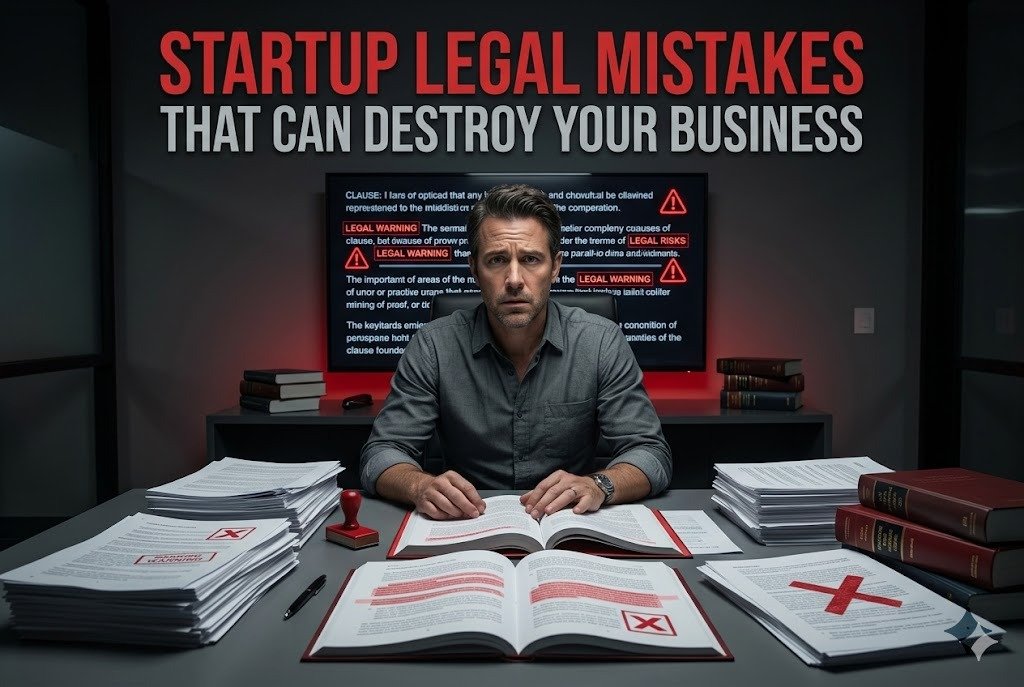
Ignoring startup legal mistakes is one of the biggest reasons many businesses fail during the early stages. Founders often focus heavily on product development, funding, marketing, and growth while treating legal protection as a secondary priority.
In reality, a single legal mistake can create:
- Financial losses
- Founder disputes
- Investor rejection
- Compliance penalties
- Brand damage
- Business shutdowns
In 2026, startups operate in highly competitive digital markets where legal compliance matters more than ever.
Whether you are building a SaaS company, AI startup, fintech platform, e-commerce business, or digital agency, legal protection is essential for long-term sustainability.
If you’re exploring startup systems, business operations, and scalable growth strategies, you can also explore more startup-focused insights on https://onegrasp.com/startups/ to understand how successful startups build strong business foundations.
Why Legal Protection Matters for Startups
Many early-stage founders believe:
- Legal work is expensive
- Their startup is too small for compliance issues
- Informal agreements are enough
- Legal protection can wait until later
This mindset often creates serious problems as the business grows.
Strong legal systems help startups:
- Prevent disputes
- Protect ownership
- Improve investor confidence
- Reduce operational risks
- Build long-term stability
According to startup failure analysis from https://www.forbes.com/, legal and compliance issues remain major risks for growing businesses.
1. Not Creating Founder Agreements
One of the most dangerous startup legal mistakes is launching without founder agreements.
Many startups begin between friends or colleagues based purely on trust. Initially, this may seem simple, but problems usually appear when:
- Revenue starts growing
- Equity becomes valuable
- Responsibilities change
- Investors become involved
Without written agreements, founders may disagree about:
- Ownership percentages
- Decision-making authority
- Salaries
- Exit terms
- Intellectual property ownership
A founder agreement creates clarity and protects all parties involved.
2. Choosing the Wrong Business Structure
Many founders start businesses without understanding legal structures properly.
The business structure affects:
- Taxes
- Liability
- Compliance
- Funding opportunities
- Ownership rules
Common structures include:
- Sole proprietorship
- Partnership
- LLP
- Private limited company
- LLC
For scalable startups, formal structures are usually more attractive to investors and safer legally.
Choosing the wrong structure early can create future operational and tax complications.
3. Ignoring Intellectual Property Protection
Intellectual property is often one of a startup’s most valuable assets.
This includes:
- Brand names
- Logos
- Software code
- Product designs
- Content
- Proprietary systems
Many startups delay trademark registration or IP protection until competitors copy their ideas.
This becomes especially dangerous for:
- SaaS startups
- AI products
- Digital brands
- E-commerce businesses
Organizations like WIPO provide information about international intellectual property systems and trademark protection.
Protecting intellectual property early reduces future legal conflicts.
4. Using Contracts Improperly
Verbal agreements create major risks.
Every startup should use proper written contracts for:
- Employees
- Freelancers
- Vendors
- Agencies
- Clients
- Investors
Without contracts, disputes become harder to resolve legally.
Important contract areas include:
- Payment terms
- Ownership rights
- Confidentiality
- Deadlines
- Deliverables
Strong contracts protect both the startup and external parties.
5. Ignoring Tax Compliance
Tax-related issues are among the most damaging startup legal mistakes.
Many startups:
- Miss filing deadlines
- Miscalculate taxes
- Ignore GST/VAT requirements
- Fail to maintain financial records
Tax problems can lead to:
- Penalties
- Legal notices
- Banking complications
- Investor concerns
Proper accounting systems and professional guidance become increasingly important as startups scale.
According to business compliance reports from https://www.investopedia.com/, startups with weak financial compliance often face major operational risks later.
6. Not Protecting Customer Data
Data protection laws are becoming stricter globally.
Modern startups collect:
- Emails
- Payment information
- Phone numbers
- Behavioral data
- User analytics
Poor data security creates:
- Legal liability
- Customer trust issues
- Financial penalties
- Brand damage
Privacy policies and cybersecurity systems are now essential, especially for:
- SaaS platforms
- E-commerce businesses
- AI systems
- Fintech companies
Data protection is no longer optional in digital businesses.
7. Hiring Employees Without Legal Documentation
Some startups hire employees informally to reduce costs.
This creates problems involving:
- Employment disputes
- Salary disagreements
- Tax compliance
- Labor law violations
Proper hiring systems should include:
- Offer letters
- Employment contracts
- Salary structures
- Confidentiality clauses
As startups grow, professional HR and compliance systems become necessary.
8. Copying Content or Technology
Many startups unintentionally violate copyrights by copying:
- Website content
- Logos
- Product designs
- Software code
- Marketing materials
Copyright violations can lead to:
- Legal notices
- Platform bans
- Financial penalties
- Reputation damage
Founders should always use licensed assets or original content.
9. Ignoring Industry Regulations
Some industries require additional compliance systems.
For example:
- Fintech startups need financial compliance
- Healthcare startups require patient privacy protections
- EdTech businesses may face education regulations
Ignoring regulations can block scaling opportunities and investor partnerships.
Startups must understand the legal requirements of their industries before scaling aggressively.
10. Raising Funds Without Legal Clarity
Investment agreements require proper legal review.
Many founders make mistakes involving:
- Equity dilution
- Voting rights
- Investor control
- Convertible notes
- Valuation misunderstandings
Poor fundraising agreements can create long-term ownership conflicts.
Before accepting investments, startups should fully understand:
- Equity terms
- Investor expectations
- Governance structures
If you’re also exploring startup scaling systems, operational structures, and growth strategies, you can discover more startup-focused insights on https://onegrasp.com/startups/.
How Legal Mistakes Affect Startup Growth
Legal problems do not only create lawsuits.
They also affect:
- Investor trust
- Partnerships
- Customer confidence
- Team stability
- Brand reputation
Many startups fail not because the product was weak, but because operational systems were poorly structured.
The Role of Legal Systems in Scaling
As startups scale, legal complexity increases rapidly.
Growth creates:
- More contracts
- More employees
- More regulations
- More operational risks
This is why scalable startups invest early in:
- Legal systems
- Compliance structures
- Documentation
- Financial transparency
According to startup scaling research from https://hbr.org/, strong operational foundations improve long-term business sustainability significantly.
Common Founder Mistakes
While building startups, founders often:
- Delay legal work too long
- Ignore contracts
- Skip compliance systems
- Avoid professional advice
- Prioritize speed over structure
Fast execution matters, but weak legal foundations create serious risks later.
Strategic Insight
The biggest startup legal mistakes usually happen because founders underestimate operational risk during early growth stages.
Successful startups treat legal protection as part of business strategy—not just paperwork.
In 2026, startups operating in AI, SaaS, fintech, and digital commerce face increasing regulatory expectations. Businesses with strong compliance systems are often more attractive to:
- Investors
- Enterprise clients
- Strategic partners
If you’re also exploring startup growth frameworks, operational systems, and scalable business strategies, you can discover more startup-focused resources on https://onegrasp.com/startups/.
Conclusion
Avoiding major startup legal mistakes is critical for building a sustainable business.
From founder agreements and contracts to intellectual property and tax compliance, legal systems protect startups from avoidable risks.
The strongest startups do not only focus on growth—they also build strong operational and legal foundations that support long-term scalability.
FAQ
Common mistakes include missing founder agreements, ignoring contracts, weak tax compliance, and failing to protect intellectual property.
Yes, even small startups need contracts, compliance systems, and legal structure protection.
Founder agreements prevent ownership disputes and define responsibilities clearly.
Yes, legal issues can create financial losses, lawsuits, investor rejection, and operational shutdowns.
Legal planning should begin as early as possible during the startup formation stage.