April 24, 2026
 5 Min
 No Comment

Understanding seed funding vs series a vs series b is essential for Indian founders aiming to secure the right investment at each growth stage.
If you are building a startup or planning to raise capital, you’ve probably heard terms like Seed, Series A, and Series B—but they often sound confusing.
Understanding seed funding series explained is crucial because each funding stage decides how your startup grows, scales, and survives in a competitive market.
In India’s fast-growing startup ecosystem, founders who understand funding stages clearly raise capital faster and make smarter decisions.
Let’s simplify everything step by step.
Understanding Seed Funding Series Explained in Simple Terms
Startup funding is not a single event—it is a journey.
Each stage represents a different level of growth, risk, and investment size.
In India, startups collectively raised billions in funding in recent years, with early-stage investments forming the backbone of innovation.
Platforms like https://onegrasp.com/startups/ help founders explore structured startup support and funding opportunities.
Now let’s break down each stage clearly.
What is Seed Funding?
Seed funding is the first official stage of startup investment.
It is used when your idea is still developing or has just started gaining traction.
Key features:
- Investment amount: ₹10 lakh to ₹5 crore (approx.)
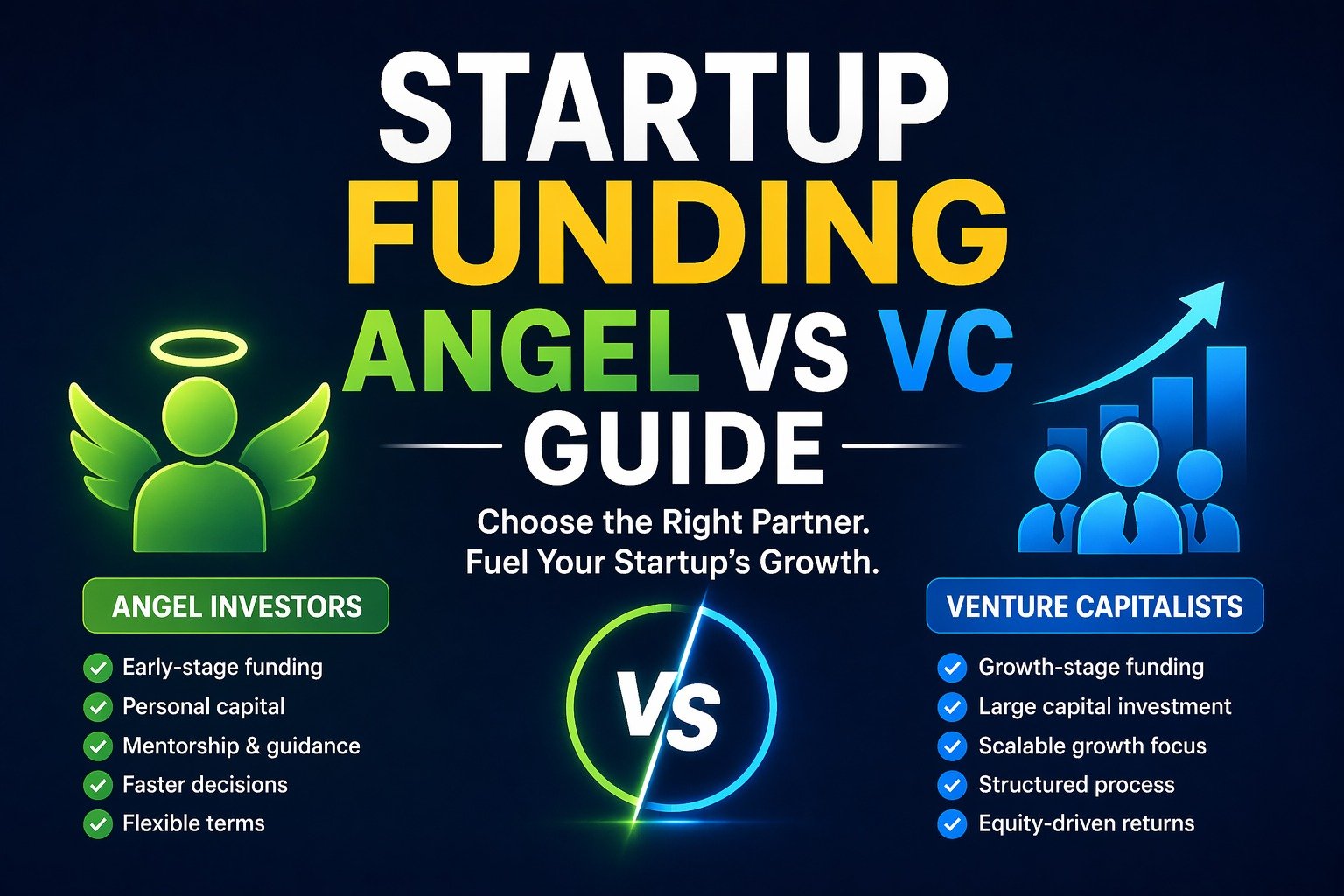
- Investors: Angel investors, early-stage VCs
- Purpose: Product development, MVP, initial hiring
Seed funding is like planting a tree—you are funding the idea, not the scale.
However, most startups fail at this stage due to lack of validation.
What is Series A Funding?
Series A comes after your startup has proven its idea works.
At this stage, investors focus on scalability and revenue model.
Key features:
- Investment amount: ₹5 crore to ₹50 crore+
- Investors: Venture capital firms
- Purpose: Scaling operations, user growth, hiring teams
According to Startup India, startups that successfully move to Series A are significantly more likely to survive long-term due to validated business models.
What is Series B Funding?
Series B is about expansion and market dominance.
At this stage, your startup is no longer a small company—it is a growing business.
Key features:
- Investment amount: ₹50 crore to ₹300 crore+
- Investors: Large VC firms, institutional investors
- Purpose: Market expansion, international growth, scaling infrastructure
Series B startups focus heavily on competition and rapid scaling.
Moreover, investor expectations are much higher at this stage.
Seed Funding vs Series A vs Series B Comparison
Here’s a simple breakdown:
- Seed Funding: Idea validation stage
- Series A: Business model scaling stage
- Series B: Market expansion stage
Each stage builds on the previous one.
However, skipping steps can lead to failure—even with funding.
Common Mistakes Founders Make
Many startups struggle because they misunderstand funding stages:
- Raising Series A without proper traction
- Spending Seed funding too fast
- Ignoring product-market fit
- Overvaluing the startup too early
Therefore, timing and preparation matter more than funding itself.
Benefits of Understanding Funding Stages
Knowing these stages helps founders:
- Raise capital more effectively
- Plan long-term growth
- Avoid dilution mistakes
- Improve investor confidence
- Build sustainable businesses
👉 Explore startup opportunities here: https://onegrasp.com/startups/
Tips to Prepare for Funding Success
Before approaching investors:
- Build a strong MVP
- Validate your target market
- Track real user growth
- Prepare financial projections
- Create a compelling pitch deck
Moreover, focus on storytelling—not just numbers.
Government Support for Startup Funding
India offers strong institutional support through Ministry of Commerce and Industry, including:
- Startup India Seed Fund Scheme
- Incubation programs
- Tax benefits for startups
- Innovation grants
These initiatives help reduce early-stage funding pressure.
Career Impact of Understanding Startup Funding
Understanding funding stages is not just for founders—it’s valuable for careers in:
- Entrepreneurship
- Venture capital
- Business consulting
- Startup management
However, practical knowledge always beats theoretical understanding.
Conclusion
The concept of seed funding series explained is essential for anyone entering the startup ecosystem.
Seed builds the idea, Series A scales it, and Series B expands it into a powerful business.
If you understand these stages clearly, you make smarter decisions, avoid costly mistakes, and improve your chances of startup success.
👉 Start your career planning today with expert guidance and build your startup journey with confidence.
❓ FAQs
1. What is seed funding in startups?
It is the initial funding used to validate and build a startup idea.
2. What comes after Series A?
Series B funding, used for expansion and scaling.
3. How much is Series A funding in India?
Typically between ₹5 crore to ₹50 crore or more.
4. Do all startups need Series B funding?
No, only scaling startups require it.
5. What is the risk in early-stage funding?
High risk due to uncertain product-market fit.
Frequently Asked Questions
What is seed funding and how much does it typically involve in India?
Seed funding is the first official round of investment, usually ranging from ₹10 lakh to ₹5 crore, used for product development, MVP creation, and early hiring.
When should a startup move from seed funding to Series A?
A startup should pursue Series A after validating its product-market fit, showing traction, and having a clear revenue model ready for scaling.
What are the typical investment amounts for Series B in India?
Series B rounds generally range from ₹50 crore to ₹300 crore or more, aimed at market expansion, international growth, and scaling infrastructure.
Can a startup skip the Series A stage and go straight to Series B?
Skipping stages is risky; investors expect proven growth at each stage, so moving directly to Series B without a successful Series A can deter funding.
How does understanding funding stages help a founder’s career?
Knowing the stages improves fundraising efficiency, reduces dilution, builds investor confidence, and opens career paths in entrepreneurship, VC, and consulting.