June 10, 2026
 9 Min
 No Comment
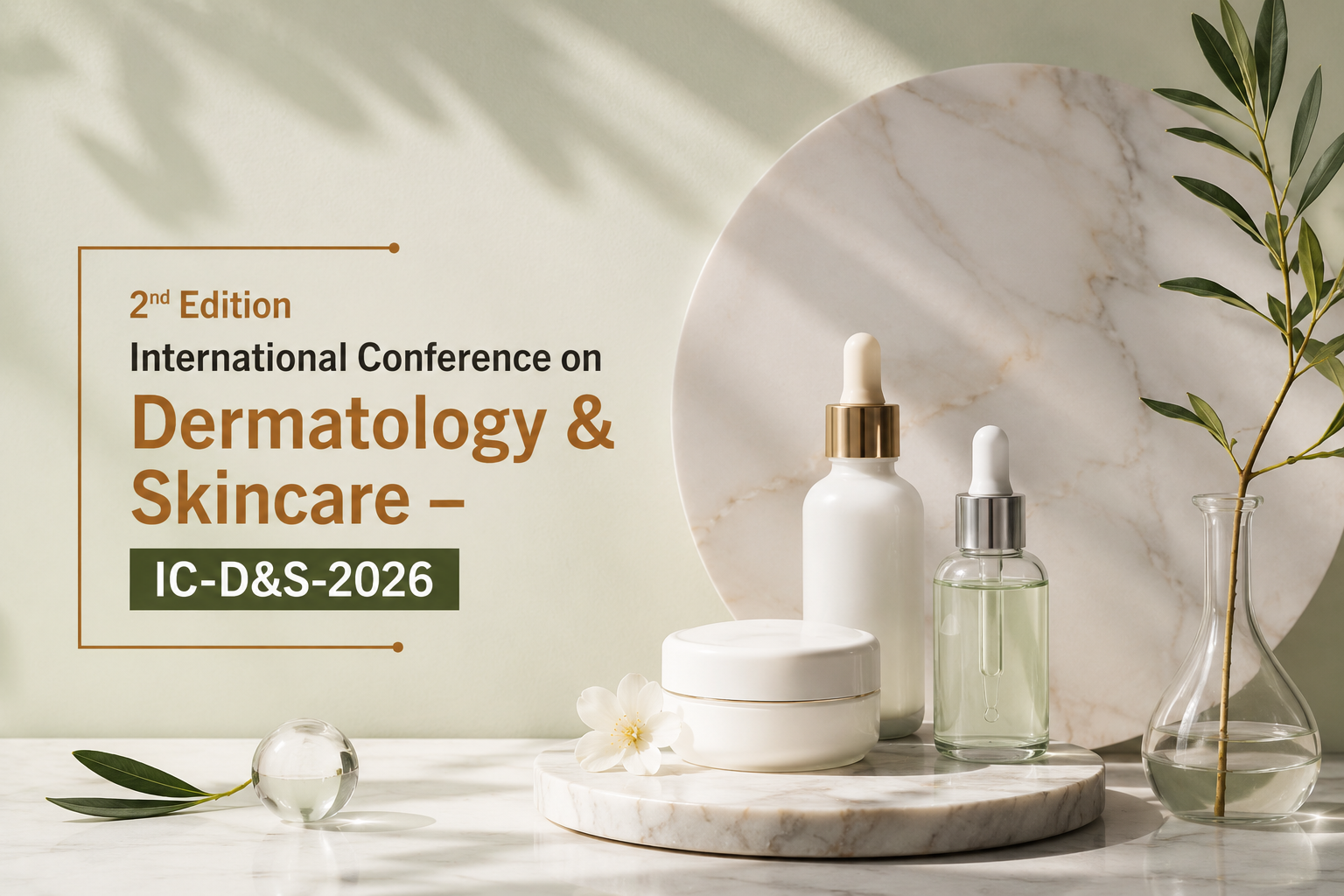
The Dermatology Conference 2026 brings together leading experts to discuss AI‑driven diagnostics, personalized skincare, and the latest innovations in dermatology.
Dermatology Conference 2026: Key Topics and Sessions
Skin health has become one of the fastest-evolving areas of modern healthcare. From artificial intelligence-powered diagnostics and personalized skincare solutions to regenerative medicine and teledermatology, dermatology is experiencing a remarkable transformation. As patients increasingly seek evidence-based treatments and preventive skin health strategies, the need for collaboration between researchers, clinicians, educators, and industry experts has never been greater.
The ICDS 2026 Dermatology Conference, officially known as the 2nd Edition International Conference on Dermatology & Skincare (IC-D&S-2026), provides a global platform for dermatologists, skincare specialists, researchers, healthcare professionals, academicians, cosmetic scientists, and students to discuss emerging trends, scientific discoveries, and practical innovations shaping the future of dermatology.
The conference aims to promote interdisciplinary collaboration while advancing knowledge in clinical dermatology, cosmetic science, skincare technologies, dermatological research, and patient-centered care. Dermatology conferences worldwide increasingly focus on innovation, personalized treatments, AI-assisted diagnosis, and evidence-based skincare solutions, reflecting the rapid growth of this medical specialty.
Participants can register here:
What the Conference Is About
Featured Snippet Answer
The International Conference on Dermatology & Skincare (IC-D&S-2026) is a global academic and professional event focused on dermatology research, skincare innovation, aesthetic medicine, skin disease management, and emerging healthcare technologies.
The conference provides a collaborative environment where healthcare professionals and researchers can exchange knowledge about diagnosis, treatment, prevention, and management of skin conditions. It also highlights advancements in cosmetic dermatology, regenerative medicine, teledermatology, and patient-centered skincare practices.
As skin disorders affect billions of people globally, ongoing research and innovation remain critical to improving patient outcomes and quality of life.
Why Dermatology and Skincare Matter More Than Ever
Featured Snippet Answer
Dermatology plays a vital role in diagnosing, treating, and preventing skin, hair, and nail disorders while supporting overall health and well-being.
The skin is the body’s largest organ and serves as a critical barrier against environmental threats. Dermatological conditions such as eczema, psoriasis, acne, skin cancer, and autoimmune skin diseases affect millions worldwide.
According to global health studies, skin diseases rank among the most common health conditions worldwide, contributing significantly to healthcare costs and reduced quality of life. Meanwhile, growing public awareness of preventive skincare and healthy aging has increased demand for evidence-based dermatological care.
Consequently, dermatology research and professional education continue to play an essential role in improving healthcare outcomes.
ICDS 2026 Dermatology Conference Themes and Research Areas
Featured Snippet Answer
The conference explores clinical dermatology, cosmetic science, skin disease research, teledermatology, regenerative medicine, and innovative skincare technologies.
Major research themes include:
- Clinical dermatology
- Cosmetic and aesthetic dermatology
- Teledermatology
- Skin cancer research
- Psoriasis and eczema management
- Acne treatment innovations
- Pediatric dermatology
- Dermatopathology
- Hair and scalp disorders
- Regenerative skincare
- AI-assisted diagnostics
- Personalized skincare solutions
- Dermatological pharmacology
- Laser and energy-based therapies
These topics reflect the expanding role of dermatology in both healthcare and preventive wellness. Similar international dermatology conferences have increasingly emphasized AI in dermoscopy, nanotechnology, microbiome research, teledermatology, and personalized treatments.
ICDS 2026 Dermatology Conference and Digital Transformation
Featured Snippet Answer
Digital transformation is revolutionizing dermatology through artificial intelligence, telemedicine, imaging technologies, and data-driven clinical decision-making.
Dermatology is particularly well-suited for technological innovation because many diagnoses rely heavily on visual assessment and image analysis.
Key innovations include:
- AI-assisted skin lesion detection
- Teledermatology consultations
- Mobile skin health applications
- Digital imaging systems
- Predictive analytics
- Remote patient monitoring
Research suggests that AI-based dermatological tools can improve diagnostic efficiency and support earlier detection of certain skin conditions when used alongside clinical expertise.
Therefore, digital health remains one of the most important topics in modern dermatology research.
Personalized Skincare and Precision Dermatology
Featured Snippet Answer
Personalized skincare uses individual biological, genetic, environmental, and lifestyle factors to create customized treatment approaches.
Traditional skincare often relies on generalized recommendations. However, advances in biotechnology and dermatological research are enabling more targeted interventions.
Emerging developments include:
- Microbiome-based skincare
- Genetic testing applications
- Personalized treatment plans
- Customized cosmetic formulations
- Precision dermatology strategies
Industry experts increasingly recognize that personalized approaches can improve treatment effectiveness while enhancing patient satisfaction.
As a result, precision dermatology is expected to remain a major focus area for future research and innovation.
Cosmetic Dermatology and Aesthetic Medicine
Featured Snippet Answer
Cosmetic dermatology focuses on enhancing skin appearance, improving confidence, and supporting healthy aging through evidence-based treatments.
The field has expanded rapidly due to technological advancements and growing consumer interest in non-invasive aesthetic procedures.
Popular areas of research include:
- Laser therapies
- Skin rejuvenation
- Anti-aging treatments
- Injectable procedures
- Scar management
- Pigmentation correction
International dermatology forums increasingly discuss regenerative medicine, aesthetic innovation, and advanced cosmetic technologies as important areas of future growth.
Opportunities for Researchers, Dermatologists and Students
Featured Snippet Answer
ICDS 2026 offers networking opportunities, research exposure, professional development, and interdisciplinary collaboration.
Researchers can:
- Present scientific findings
- Receive expert feedback
- Build collaborations
- Explore publication opportunities
Healthcare professionals benefit through:
- Continuing education
- Clinical updates
- Best-practice discussions
- Technology exposure
Students gain:
- Academic mentorship
- Research experience
- Career guidance
- Professional networking
These opportunities often lead to long-term collaborations and career development.
Comparison Table: Traditional Dermatology vs Precision Dermatology
| Traditional Dermatology | Precision Dermatology |
|---|---|
| Generalized treatment approaches | Personalized treatment strategies |
| Limited patient-specific data | Data-driven customization |
| Reactive care models | Preventive and predictive care |
| Standard product recommendations | Tailored skincare solutions |
| Population-based protocols | Individualized interventions |
Beginner vs Expert Perspective
| Beginners | Experts |
|---|---|
| Focus on symptoms | Focus on root causes |
| Basic treatment knowledge | Evidence-based clinical expertise |
| Limited diagnostic tools | Advanced diagnostic interpretation |
| Individual cases | Population-level insights |
| Learning concepts | Developing innovations |
Pros and Cons of Conference Participation
| Pros | Cons |
|---|---|
| Global networking | Time commitment |
| Research exposure | Competitive submissions |
| Knowledge sharing | Preparation requirements |
| Career advancement | Registration costs |
| Professional visibility | Travel considerations |
Expert Insight: The Future of Dermatology and Skin Science
The future of dermatology will be shaped by technological innovation, personalized medicine, preventive healthcare, and interdisciplinary collaboration.
Artificial intelligence is expected to improve diagnostic support, while advances in biotechnology may enable more targeted and effective treatments. Meanwhile, teledermatology will continue expanding access to care, particularly in underserved regions.
However, challenges remain. Healthcare systems must address data privacy concerns, ensure equitable access to advanced technologies, and maintain evidence-based standards amid rapid innovation.
At the same time, opportunities in regenerative medicine, microbiome research, and precision skincare could significantly improve patient outcomes over the coming decade.
Latest Trends & Updates
Artificial intelligence is becoming increasingly important in dermatological diagnostics. Researchers are developing AI-powered image recognition systems capable of assisting clinicians in identifying skin cancers, inflammatory skin diseases, and pigmentation disorders more efficiently.
Teledermatology continues expanding globally as healthcare providers seek scalable solutions for improving access to specialist care. Virtual consultations, remote monitoring, and digital triage systems are helping reduce barriers to dermatological services.
The skin microbiome has emerged as one of the most exciting areas of dermatology research. Scientists are exploring how microbial communities influence skin health, aging processes, inflammatory conditions, and treatment responses.
Regenerative skincare technologies are attracting significant interest. Advances in stem-cell research, tissue engineering, growth factors, and biomaterials may transform future approaches to wound healing and skin rejuvenation.
Responsible innovation remains a critical priority. Researchers and regulators increasingly focus on ensuring transparency, patient safety, ethical AI implementation, and evidence-based evaluation of emerging dermatological technologies.
Future research directions include personalized skincare, digital dermatology, nanotechnology applications, AI-driven diagnostics, microbiome therapeutics, and sustainable cosmetic formulations. These areas are expected to influence dermatology research and clinical practice for years to come.
Real-Life Example: Improving Skin Cancer Screening Through Technology
Consider a dermatology researcher named Dr. Sarah.
Dr. Sarah was working on a university project exploring AI-assisted skin lesion screening. While the technology showed promise, her team faced challenges related to clinical validation and practical implementation.
After participating in a dermatology innovation conference, she connected with dermatologists, AI specialists, and healthcare researchers working on similar challenges.
Through these collaborations, her team refined their research methodology, improved diagnostic accuracy, and secured partnerships for larger clinical studies.
Within two years, the project contributed valuable insights into early skin cancer detection and patient screening workflows.
This example demonstrates how conferences can accelerate scientific progress and real-world healthcare innovation.
Common Mistakes to Avoid
Submitting Weak Research Abstracts
Clearly define objectives, methodology, and expected contributions.
Ignoring Interdisciplinary Perspectives
Combine insights from medicine, biotechnology, data science, and healthcare policy.
Focusing Only on Technology
Technology should complement clinical expertise rather than replace it.
Overlooking Patient-Centered Outcomes
Research should prioritize meaningful improvements in patient health and quality of life.
Poor Networking Preparation
Identify potential collaborators and research interests before attending.
What To Do Next
- Review conference themes thoroughly.
- Select a relevant research topic.
- Conduct a comprehensive literature review.
- Prepare a high-quality abstract.
- Register early.
- Develop presentation materials.
- Follow emerging dermatology trends.
- Participate actively in networking sessions.
- Connect with global researchers.
- Explore future collaboration opportunities.
Quick Checklist
✔ Choose a research topic
✔ Draft your abstract
✔ Review submission guidelines
✔ Complete registration
✔ Prepare presentation materials
✔ Explore conference themes
✔ Network with experts
✔ Follow dermatology innovations
Conclusion
The ICDS 2026 Dermatology Conference represents an important opportunity for researchers, clinicians, skincare specialists, and healthcare innovators to explore the future of dermatology and skin health. Through discussions on AI-powered diagnostics, personalized skincare, cosmetic innovation, teledermatology, and regenerative medicine, the conference highlights the transformative potential of modern dermatological research.
As skin health continues gaining importance within global healthcare, collaboration and evidence-based innovation will remain essential. ICDS 2026 offers participants valuable opportunities to learn, share knowledge, build partnerships, and contribute to advancements that improve patient outcomes worldwide.
Whether you are an experienced dermatologist, an emerging researcher, a skincare professional, or a student entering the field, participation can provide meaningful insights and professional opportunities that extend well beyond the conference itself.
Register here:
Frequently Asked Questions
Dermatologists, skincare specialists, researchers, healthcare professionals, educators, students, and industry experts.
Yes. Students are encouraged to present research, attend sessions, and engage with experts.
No. Participants may attend as presenters or listeners depending on conference guidelines.
It enhances professional knowledge, expands networks, increases research viClinical dermatology, cosmetic science, AI diagnostics, teledermatology, regenerative medicine, skincare innovation, and skin disease research.sibility, and supports long-term career growth.