May 12, 2026
 5 Min
 No Comment
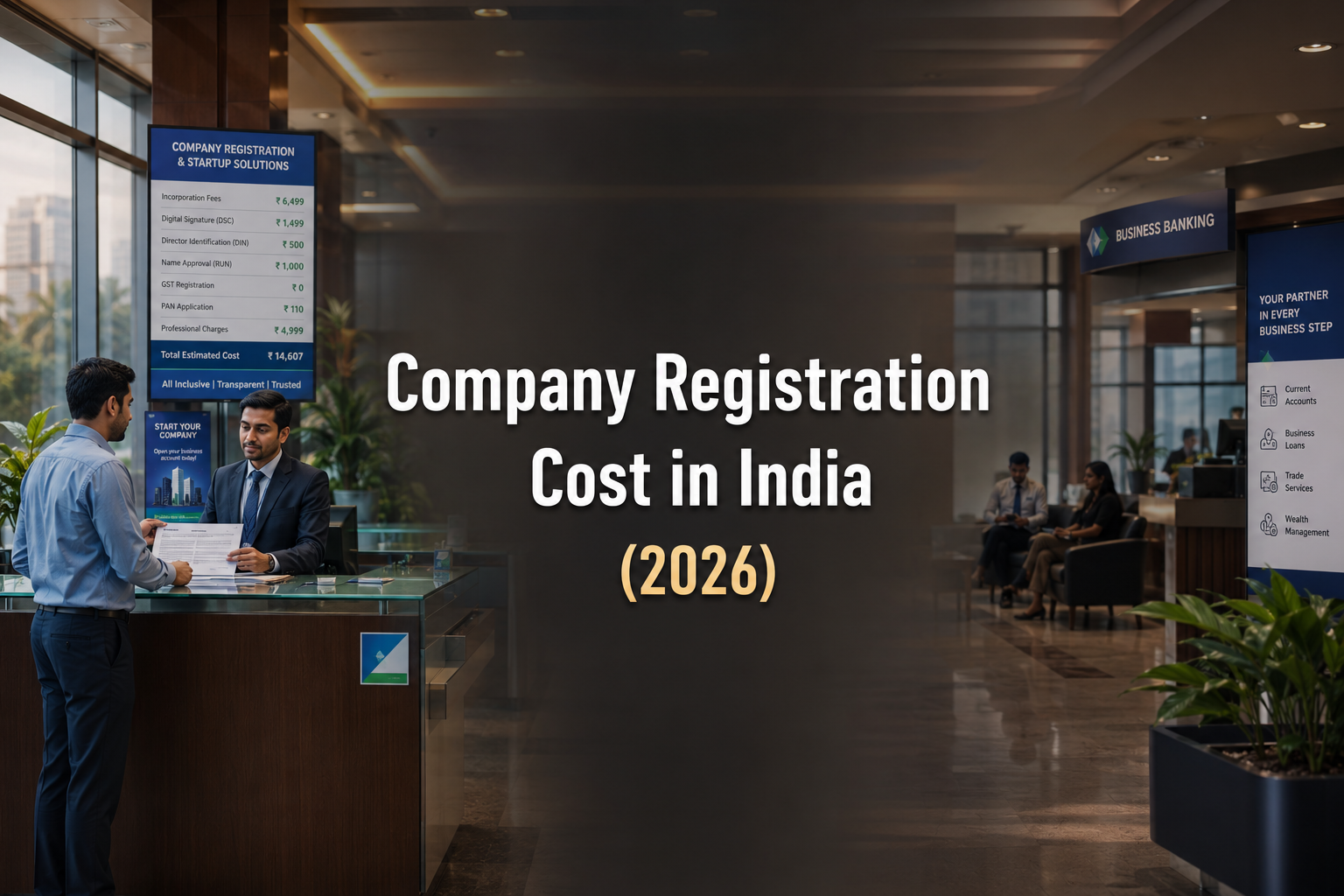
Starting a company in India involves several legal and operational costs. While many entrepreneurs focus only on registration fees, the actual startup incorporation cost includes government charges, professional fees, digital signatures, compliance expenses, GST registration, and trademark filing.
Understanding Company Registration Cost India helps founders plan budgets properly and avoid unexpected legal or compliance expenses during the startup journey.
In 2026, India’s digital incorporation systems have made company registration faster and more accessible for entrepreneurs. However, costs still vary depending on business structure, authorized capital, state stamp duty, and professional services. (Taxocity)
If you want more startup growth insights and entrepreneurship guides, visit https://onegrasp.com/startups/
Factors That Affect Company Registration Cost
Company registration expenses depend on multiple factors.
These include:
- Type of business entity
- Authorized capital
- State-wise stamp duty
- Number of directors or partners
- Professional consultation charges
- Additional registrations and licenses
Private Limited Companies generally cost more than LLPs or sole proprietorships because of higher compliance requirements.
Private Limited Company Registration Cost
Private Limited Company is one of the most preferred business structures for startups seeking scalability and investor funding.
Estimated costs include:
- Government MCA fees
- DSC charges
- PAN and TAN processing
- Stamp duty
- Professional fees
Typical total cost in 2026 ranges between ₹10,000 and ₹30,000 depending on the state and professional services used. (Taxocity)
Many startups begin with lower authorized capital to reduce registration expenses initially. (Companify India Private Limited)
LLP Registration Cost
LLP registration is generally more affordable and suitable for service-based businesses and small partnerships.
Approximate LLP registration costs:
- Government fees: ₹500–₹5,600
- DSC charges
- Stamp duty
- Professional fees
Overall LLP registration usually costs around ₹7,000–₹18,000 in 2026. (Taxocity)
LLPs also have lower compliance requirements compared to Private Limited Companies.
OPC Registration Cost
One Person Company (OPC) is designed for solo entrepreneurs who want limited liability benefits.
Estimated OPC registration costs:
- ₹7,000–₹15,000 depending on documentation and professional charges. (cleartax)
OPCs are becoming increasingly popular among solo founders and freelancers.
Sole Proprietorship Registration Cost
Sole proprietorships are the cheapest business structure to start in India.
Common costs may include:
- GST registration
- Shop license
- MSME registration
- Trade license
Overall setup cost may range between ₹1,000 and ₹8,000 depending on business activities. (Taxocity)
Important Registration Components
Digital Signature Certificate (DSC)
DSC is mandatory for online company incorporation.
Typical cost:
- ₹800–₹2,000 per director or partner. (Companify India Private Limited)
Director Identification Number (DIN)
DIN is required for company directors.
In many SPICe+ incorporations, DIN is included in filing procedures. (Taxocity)
PAN and TAN
PAN and TAN are usually processed during incorporation itself.
Stamp Duty
Stamp duty varies significantly across Indian states and directly affects total registration cost. (https://www.mystartupsolution.in/)
GST Registration Cost
GST registration itself is generally free on government portals.
However, professional filing assistance may cost:
- ₹500–₹5,000 depending on consultants and complexity. (Taxocity)
Trademark Registration Cost
Trademark registration protects startup brand identity legally.
Government filing fees in 2026:
- ₹4,500 for individuals/startups/MSMEs
- ₹9,000 for companies and LLPs per class. (Intepat)
Trademark registration is strongly recommended for startups building long-term brands.
Hidden Costs Many Founders Ignore
Many entrepreneurs focus only on incorporation fees and ignore ongoing compliance expenses.
Additional costs may include:
- Annual ROC filings
- CA or CS consultation fees
- Accounting software
- GST filing costs
- Legal drafting
- Compliance penalties
Startup communities on Reddit frequently discuss hidden compliance costs after registration. (Reddit)
Expert Insight and Analysis
Experts believe founders should focus not only on low registration costs but also on choosing the right business structure for long-term growth.
Many cheap registration packages exclude:
- Proper documentation
- Compliance guidance
- Customized MOA drafting
- Post-registration support
Startup founders often spend more later fixing poorly structured registrations. (Reddit)
Experts recommend working with experienced professionals who understand startup compliance properly instead of choosing only the cheapest option.
Latest Company Registration Trends in 2026
India’s startup incorporation ecosystem is evolving rapidly in 2026 due to digitization and startup growth.
The MCA registration process has become increasingly paperless and faster compared to previous years, reducing physical documentation significantly. (TrendOnTrack)
AI-powered compliance platforms are helping startups automate incorporation, GST filing, accounting, payroll, and annual compliance tasks.
Another major trend is the growing popularity of LLPs among freelancers, agencies, consultants, and bootstrapped startups because of lower compliance costs and operational flexibility.
Private Limited Companies remain the preferred structure for venture-funded startups due to better fundraising compatibility and investor confidence.
Startup founders are also becoming more aware of trademark registration and intellectual property protection during early stages.
Remote-first businesses and digital startups are increasing rapidly, reducing operational setup costs and encouraging lean company structures.
In 2026, investors and accelerators are focusing more on legally compliant startups with clean documentation and proper financial reporting systems.
The startup ecosystem is shifting toward sustainable and compliance-ready business operations rather than only fast growth.
Common Mistakes Founders Make
- Choosing wrong business structure
- Ignoring hidden compliance costs
- Using low-quality registration services
- Delaying trademark registration
- Not budgeting for annual filings
What Entrepreneurs Should Do Next
- Choose the correct business structure carefully
- Estimate compliance costs before incorporation
- Protect trademarks early
- Maintain proper accounting records
- Work with experienced professionals if needed
Conclusion
Understanding Company Registration Cost India is essential for entrepreneurs planning to launch startups or businesses in 2026.
Registration expenses vary depending on business structure, compliance requirements, state regulations, and professional services.
Modern digital incorporation systems have simplified the process significantly, but founders should still plan carefully for both registration and ongoing compliance costs.
Startups that prioritize proper legal setup, compliance discipline, and brand protection are more likely to scale successfully and attract investors confidently.
FAQs
It usually ranges between ₹7,000 and ₹30,000 depending on business structure and professional services. (Taxocity)
Sole proprietorship is generally the cheapest business structure.
Yes, GST registration is free on government portals, but consultants may charge service fees. (Taxocity)
It has higher compliance costs compared to LLPs and proprietorships.
It is not mandatory but highly recommended for brand protection.