Social media has become one of the most powerful growth engines for modern startups. In 2026, startups are no longer relying only on traditional advertising or expensive marketing campaigns. Instead, they are building audiences, communities, and customer trust directly through social media platforms.
For startups with limited budgets, social media provides an opportunity to compete with larger brands through creativity, consistency, and strategic storytelling.
This guide on startup social media marketing explains how startups can use platforms like Instagram, LinkedIn, YouTube, X, and TikTok to build brand awareness, attract customers, and grow sustainably in 2026.
According to Statista, global social media users are expected to exceed 5 billion in the coming years, making digital audience-building more important than ever for businesses.
If you want more startup growth insights and entrepreneurship resources, visit OneGrasp Startups for practical startup-focused content.
Why Social Media Matters for Startups
Earlier, startups needed large advertising budgets to gain visibility. However, social media has changed how businesses grow.
Today, even small startups can:
- Reach global audiences
- Build communities
- Generate leads
- Improve customer trust
- Drive sales organically
Moreover, social media allows startups to communicate directly with customers without intermediaries.
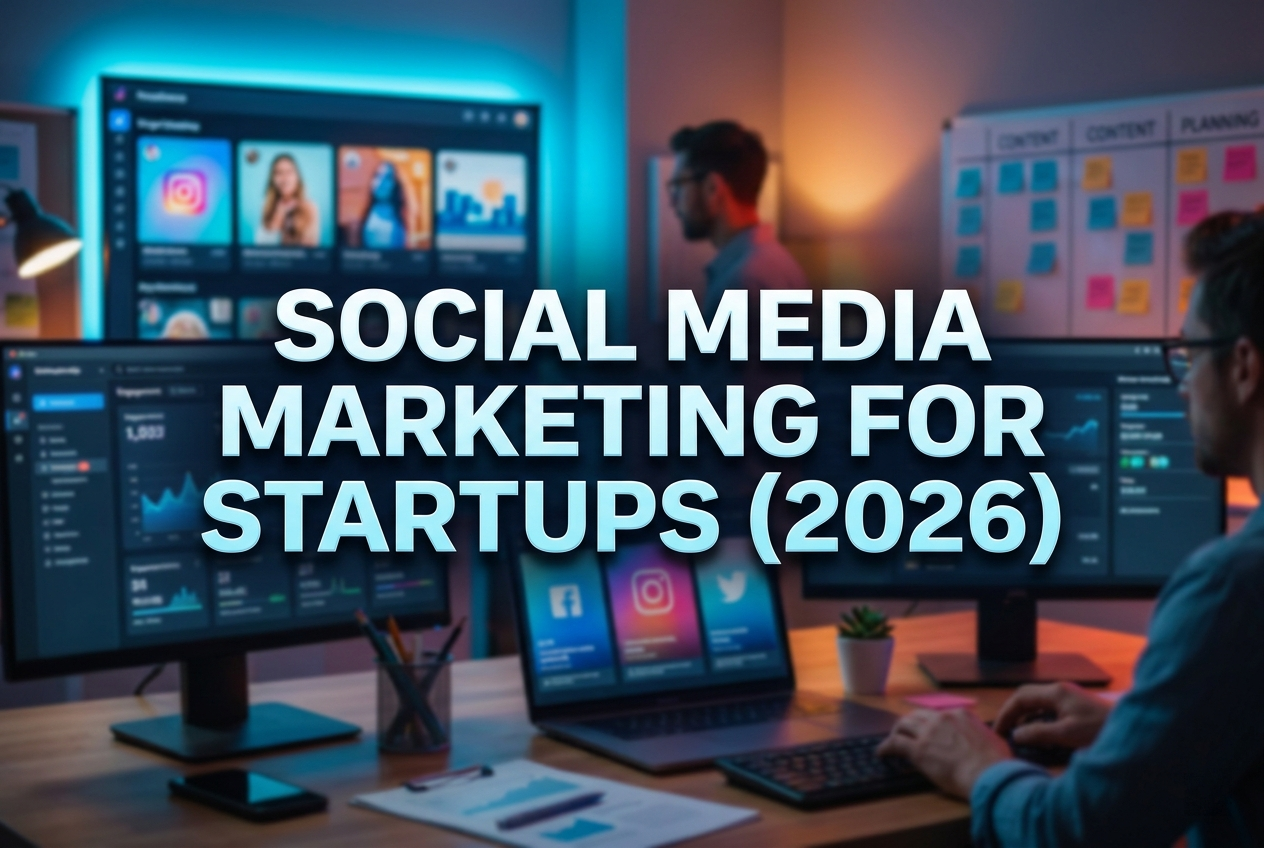
Social media marketing helps startups build visibility, attract customers, and grow brand awareness cost-effectively.
Choosing the Right Social Media Platforms
Not every platform works for every startup.
Different platforms serve different audiences and content styles.
Best for:
- D2C brands
- Fashion startups
- Food businesses
- Lifestyle products
Instagram focuses heavily on visual storytelling and short-form content.
Best for:
- SaaS startups
- B2B businesses
- Professional services
- Startup founders building authority
LinkedIn has become extremely important for networking and thought leadership.
YouTube
Best for:
- Educational content
- Product demonstrations
- Long-form storytelling
- Tutorials
Video content continues growing rapidly because audiences prefer visual learning experiences.
TikTok
Best for:
- Viral reach
- Youth-focused brands
- Short entertaining content
Many startups achieve massive visibility through creative short videos.
X (Twitter)
Best for:
- Startup discussions
- Tech communities
- Real-time engagement
- Industry updates
Founders often use X to build personal brands alongside startup growth.
Startup Social Media Marketing Strategy
Successful startups rarely post randomly. Instead, they follow structured content strategies.
Build a Clear Brand Voice
Your brand voice should feel:
- Consistent
- Authentic
- Relatable
- Easy to recognize
For example:
- SaaS startups often sound educational
- D2C brands may sound friendly and emotional
Consistency improves audience trust.
Focus on Valuable Content
Modern audiences ignore overly promotional posts.
Instead, startups should create:
- Educational posts
- Behind-the-scenes content
- Customer success stories
- Industry insights
- Short tutorials
The best startup social media strategy focuses on value-driven content instead of constant selling.
Content Pillars Every Startup Should Use
Content pillars help maintain consistency.
Most successful startups use 3–5 content categories.
Educational Content
Teach audiences something useful.
Founder Stories
Share startup journey experiences authentically.
Product Demonstrations
Show how products solve real problems.
Community Content
Highlight customers and user experiences.
Trend-Based Content
Participate in relevant industry conversations.
These content pillars improve engagement while strengthening brand identity.
Short-Form Video Dominates in 2026
Short-form video remains one of the biggest marketing trends.
Platforms increasingly prioritize:
- Reels
- Shorts
- TikTok videos
According to HubSpot, short-form video delivers some of the highest engagement rates in digital marketing.
Why Short Videos Work
- Fast consumption
- High algorithm reach
- Better audience retention
- Strong emotional engagement
Even startups with small teams can create effective short-form content using smartphones and basic editing tools.
Organic Growth vs Paid Advertising
Startups usually balance organic growth with paid promotions.
Organic Marketing
Organic strategies focus on:
- Consistent content
- Community building
- Audience engagement
Advantages:
- Lower costs
- Long-term trust
- Sustainable growth
Paid Advertising
Paid ads help startups:
- Reach targeted audiences quickly
- Generate leads faster
- Test marketing campaigns
However, startups should avoid depending entirely on paid traffic because advertising costs continue increasing.
Real-Life Startup Example
Imagine two startups launching fitness products.
Startup A
Runs only paid advertisements.
Startup B
Builds:
- Educational reels
- Founder storytelling
- Community engagement
- Customer transformation content
Over time, Startup B develops stronger audience trust and organic reach, reducing dependence on expensive advertisements.
This example shows why community-driven marketing is becoming increasingly powerful.
Common Social Media Mistakes Startups Make
Posting Without Strategy
Random posting creates inconsistent branding.
Ignoring Audience Engagement
Replying to comments and messages improves trust significantly.
Focusing Only on Sales
Constant promotional content often reduces engagement.
Copying Competitors Blindly
Every startup needs its own voice and positioning.
Inconsistent Posting
Growth usually requires long-term consistency.
Expert Insight and Analysis
Marketing experts increasingly believe that founder-led branding is becoming a major startup advantage.
People trust people more than logos.
This is why many successful founders actively share:
- Personal insights
- Startup struggles
- Industry opinions
- Behind-the-scenes experiences
Experts also emphasize that authenticity now matters more than polished perfection.
Modern audiences prefer:
- Real storytelling
- Honest communication
- Human connection
This shift is changing how startups build online communities.
Latest Social Media Trends in 2026
Several trends are shaping startup marketing strategies.
AI-Generated Content Assistance
AI tools help startups create content faster.
Community-Led Growth
Brands focus more on audience relationships than follower counts.
Personal Branding for Founders
Founder visibility increasingly influences startup credibility.
Interactive Content
Polls, live sessions, and Q&A formats improve engagement.
Micro-Influencer Collaborations
Smaller creators often generate better trust and conversion rates.
These trends show that engagement quality matters more than vanity metrics.
Beginner vs Expert Startup Marketing
| Beginner Founder | Experienced Founder |
| Posts randomly | Uses content strategy |
| Focuses only on followers | Focuses on engagement |
| Tries every platform | Prioritizes suitable channels |
| Creates overly promotional content | Provides audience value |
| Ignores analytics | Tracks performance regularly |
Experienced marketers understand that sustainable growth comes from trust and consistency.
Pros and Cons of Social Media Marketing
| Pros | Cons |
| Low-cost audience building | Requires consistency |
| Global reach potential | High competition |
| Direct customer communication | Algorithm dependency |
| Strong brand visibility | Time-intensive |
| Community-driven growth | Constant content creation |
Despite challenges, social media remains one of the most accessible startup growth channels.
Best Tools for Startup Social Media Marketing
Modern startups use several tools to improve marketing efficiency.
Useful tools include:
- Canva for content design
- Notion for content planning
- Buffer for scheduling posts
- Google Trends for trend research
- HubSpot for customer engagement tracking
These tools help startups manage content more efficiently.
What to Do Next
If you are building a startup brand online:
- Choose 1–2 primary platforms
- Define clear content pillars
- Post consistently
- Engage with your audience daily
- Analyze content performance regularly
- Build authentic storytelling around your brand
Most importantly, focus on long-term audience trust instead of chasing viral trends constantly.
Quick Social Media Marketing Checklist
- Define target audience clearly
- Choose suitable platforms
- Create content pillars
- Post consistently
- Use short-form video
- Engage with followers
- Track analytics regularly
- Build authentic brand voice
Conclusion
Understanding startup social media marketing strategies is essential for modern business growth in 2026.
Social media is no longer simply a branding tool. It has become a powerful system for audience building, customer engagement, and revenue generation.
The most successful startups are not necessarily those spending the most on advertising. Instead, they are the businesses building authentic communities, delivering valuable content, and maintaining consistent communication.
As social media platforms continue evolving, startups that focus on trust, storytelling, and meaningful engagement will gain stronger long-term advantages in competitive markets.
Frequently Asked Questions
It depends on the business type. LinkedIn works well for B2B startups, while Instagram and TikTok are popular for D2C brands.
Not always. Many startups grow organically through strong content and community engagement.
Consistency matters more than frequency. Most startups benefit from posting several times weekly.
Founder visibility improves trust, authenticity, and audience connection.
Short-form video, educational content, and authentic storytelling perform strongly.