May 7, 2026
 6 Min
 No Comment
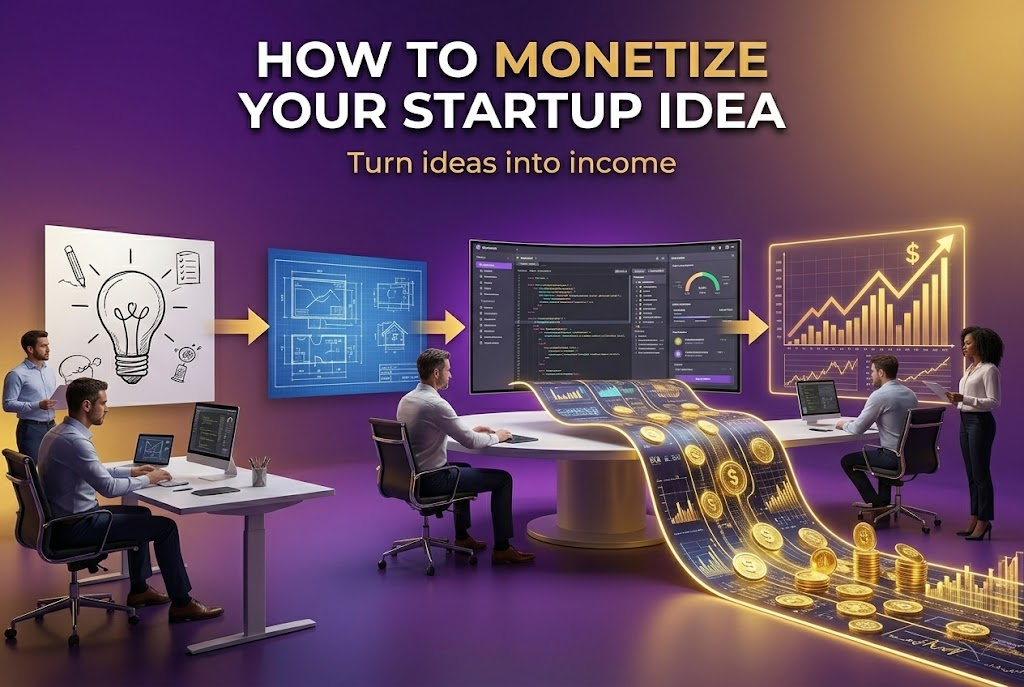
Understanding how to monetize your startup idea is one of the most important parts of building a successful business. Many founders focus heavily on product development and user growth but fail to build sustainable revenue systems.
A startup without monetization may attract attention temporarily, but long-term growth depends on generating income consistently.
In 2026, startups are monetizing through multiple business models including subscriptions, SaaS pricing, advertising, marketplaces, digital products, affiliate systems, and AI-powered services.
The key is choosing a monetization strategy that matches both the product and the target audience.
If you’re exploring startup growth systems, business models, and scalable revenue strategies, you can also explore more startup-focused insights on https://onegrasp.com/startups/ to understand how modern startups build sustainable businesses.
Why Monetization Matters
Many startup founders believe monetization should come later. However, understanding how to monetize your startup idea early helps businesses:
- Validate demand
- Improve sustainability
- Reduce dependency on funding
- Build scalable operations
- Understand customer willingness to pay
Revenue is often one of the strongest indicators of real market demand.
According to startup growth research from https://www.forbes.com/, startups that validate monetization early often build stronger long-term business models.
Understanding Product-Market Fit Before Monetization
Before focusing heavily on revenue, startups need product-market fit.
This means:
- Users genuinely need the product
- The solution solves a real problem
- Customers receive clear value
Without product-market fit, monetization becomes difficult because users may not see enough value to pay.
Successful monetization usually happens after:
- Early user validation
- Consistent engagement
- Positive feedback
- Clear problem-solving ability
1. Subscription-Based Monetization
Subscription models are among the most common startup revenue systems today.
Users pay monthly or yearly fees for continued access.
Examples include:
- SaaS tools
- Streaming platforms
- Productivity apps
- AI platforms
The biggest advantage is recurring revenue.
Companies like Netflix and Spotify popularized subscription-based digital businesses globally.
Subscription models help startups:
- Predict revenue
- Improve retention
- Scale more sustainably
2. Freemium Business Model
Freemium models allow users to access basic features for free while charging for advanced functionality.
This strategy works because:
- Free access attracts users quickly
- Premium upgrades generate revenue
- Users experience value before paying
Many SaaS startups use freemium systems effectively.
Examples include:
Freemium models work especially well for digital products with scalable infrastructure.
3. Advertising Revenue
Advertising remains one of the most common monetization systems for content-driven startups.
Revenue comes from:
- Display ads
- Sponsored content
- Video ads
- Brand partnerships
This model is commonly used by:
- Blogs
- Media startups
- Social platforms
- Content creators
However, advertising usually requires high traffic volume before generating significant income.
According to digital advertising reports from https://www.statista.com/, digital ad spending continues growing rapidly worldwide.
4. Affiliate Marketing
Affiliate monetization allows startups to earn commissions by recommending products or services.
This works well for:
- Blogs
- Review websites
- Content platforms
- Educational startups
For example:
A startup blog about productivity tools may recommend software products and earn affiliate commissions.
Affiliate systems reduce the need for inventory or product creation.
5. Marketplace Revenue Models
Marketplace startups generate income by connecting buyers and sellers.
Revenue comes from:
- Transaction commissions
- Listing fees
- Premium memberships
Examples include:
Marketplace models scale effectively because the platform itself facilitates transactions rather than creating products directly.
6. SaaS Monetization
Software-as-a-Service (SaaS) startups are among the fastest-growing business models in 2026.
SaaS monetization commonly includes:
- Monthly subscriptions
- Usage-based pricing
- Tiered plans
- Enterprise pricing
If you’re also exploring startup SaaS systems and scalable business models, you can discover more startup-focused insights on https://onegrasp.com/startups/.
7. Selling Digital Products
Digital products provide scalable monetization opportunities.
Examples include:
- E-books
- Templates
- Online courses
- Design assets
- AI prompts
Digital products are attractive because:
- They require no inventory
- Distribution costs are low
- Products can be sold repeatedly
Many creators and startups now combine digital products with personal branding strategies.
8. Service-Based Monetization
Many startups begin with services before building scalable products.
Examples:
- Consulting
- Marketing agencies
- Development services
- Design studios
Services generate:
- Faster cash flow
- Market understanding
- Customer insights
Some startups later convert services into software products.
9. Licensing and API Monetization
Technology startups sometimes monetize through licensing or APIs.
This involves:
- Charging developers for API access
- Licensing software technology
- Selling infrastructure access
AI startups increasingly monetize through API-based pricing systems.
Examples include:
- OpenAI API
- Stripe API
API monetization becomes highly scalable once infrastructure matures.
10. Hybrid Monetization Models
Many successful startups combine multiple monetization methods.
For example:
- Freemium + subscriptions
- Advertising + affiliate marketing
- Marketplace + premium tools
Hybrid systems diversify revenue and reduce business risk.
How to Choose the Right Monetization Strategy
Choosing the best monetization model depends on:
- Product type
- User behavior
- Market demand
- Scalability potential
- Customer willingness to pay
The best monetization strategy is usually the one that aligns naturally with user value.
Common Monetization Mistakes Startups Make
While learning how to monetize your startup idea, many founders:
- Delay monetization too long
- Copy competitors blindly
- Overprice products early
- Ignore customer feedback
- Depend on only one revenue source
The strongest startups continuously test and optimize pricing systems.
Strategic Insight
Understanding how to monetize your startup idea is not only about making money—it is about building sustainability.
According to startup business model analysis from https://hbr.org/, startups with clear monetization systems often scale more effectively because they understand customer value earlier.
In 2026, startups that combine product-market fit with scalable monetization systems gain major long-term advantages.
If you’re also exploring startup growth systems, scalable business models, and revenue strategies, you can discover more startup-focused resources on https://onegrasp.com/startups/.
Conclusion
Learning how to monetize your startup idea is essential for long-term startup success.
From subscriptions and SaaS pricing to affiliate systems and digital products, modern startups now have multiple ways to generate sustainable revenue.
The goal is not just attracting users—it is building systems that create long-term value for both customers and the business.
FAQs
Monetization helps startups generate sustainable revenue and reduce dependency on external funding.
It depends on the product, but subscriptions and SaaS pricing are highly popular.
Yes, early monetization helps validate customer demand and improve sustainability.
A freemium model offers basic features for free while charging for advanced functionality.
Service-based startups often generate revenue faster than complex product businesses.